WordPress Article
Website Migration Planning Without Losing Rankings | A Practical Guide for WordPress Users and Small Businesses
Learn website migration planning without losing rankings with practical advice on implementation, performance, security, SEO, and scalable website workflows for better results.
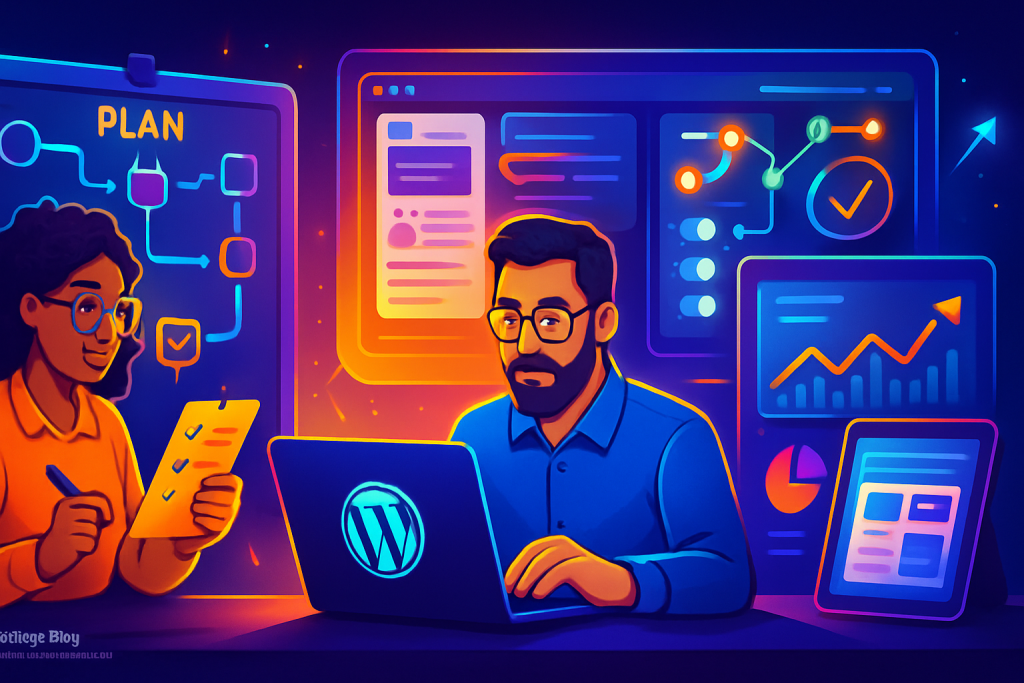
Understanding Website Migration
Website migration involves moving your existing website from one platform, domain, or hosting provider to another. This could be due to various reasons, such as a redesign, changing service providers, or even upgrading to a more robust hosting platform.
When executed without care, migration can negatively impact your search engine rankings. To avoid this, you need a solid plan.
1. Prepare Before You Migrate
Before initiating the migration, it’s essential to prepare effectively. Here are some crucial steps to take:
– **Audit Your Current Website**: Review your pages, posts, and backlinks. This will give you insight into what needs to be moved.
– **Set Clear Goals**: Define what you want to achieve with the migration—better performance, a modern design, or improved SEO.
– **Backup Your Site**: Always have a complete backup of your website to restore it if things go wrong.
Preparing adequately sets the foundation for a successful migration. Additionally, consider informing your users about the upcoming changes, especially if they might experience any downtime. You might also want to create a migration timeline to keep track of your progress and ensure that you meet your deadlines.
2. Choosing the Right WordPress Plugins
When planning a migration, the choice of WordPress plugins can significantly impact the process. Here are a few essential plugins to consider:
– **Duplicator**: This plugin allows you to create backups and migrate your site with ease. It packages your entire site into a zip file, making it simple to move.
– **All in One SEO Pack**: Use this for managing your SEO settings during migration. It helps ensure that your critical SEO data is preserved.
– **Redirection**: This plugin allows you to manage 301 redirects, which is vital for maintaining links to your old content.
Choose plugins that suit your specific needs. Always check their reviews and support options. Beyond these, also consider using a caching plugin to enhance performance post-migration.
Additionally, you might explore security plugins to protect your site during the transition, as vulnerabilities can arise when moving your content.
3. Implementing the Migration
Once you’re prepared, it’s time to implement the migration:
– **Set Up the New Environment**: If you’re changing hosts or domains, make sure your new environment is ready.
– **Migrate Content**: Use your chosen plugins to migrate the site. Ensure all pages, posts, and metadata are transferred.
– **Check Internal Links**: Ensure all internal links point to the new URLs after migration. Broken links can negatively affect SEO.
During the migration, stay organized by keeping track of what has been completed. A checklist can be a useful tool to ensure no steps are missed. Consider creating a staging environment to test your site before going live to catch any potential issues early.
4. Post-Migration SEO Checks
After migration, conducting a thorough check is crucial:
– **Update Your XML Sitemap**: This helps search engines index your new URLs.
– **Set Up Redirects**: Implement 301 redirects from the old URLs to the new ones. This informs search engines and preserves your rankings.
– **Monitor Performance**: Use tools like Google Analytics and Search Console to monitor traffic and rankings after migration.
In addition to these checks, consider running a site audit using SEO tools to identify any potential issues quickly. This proactive approach can help you rectify problems before they impact your rankings. Regularly checking for crawl errors and ensuring that your site is indexed correctly is also vital during this phase.
5. Ongoing Maintenance
Website migration is not a one-off task. To maintain your rankings:
– **Regular Updates**: Keep WordPress, themes, and plugins updated to avoid security vulnerabilities.
– **Performance Monitoring**: Continually monitor site speed and performance, as these factors affect SEO rankings.
– **SEO Best Practices**: Continuously apply SEO best practices, such as optimizing images, using alt text, and creating quality content.
Ongoing maintenance also includes regularly reviewing your site’s analytics to identify trends and make necessary adjustments. Engaging with user feedback can provide insights into areas that may need improvement. Additionally, consider conducting periodic SEO audits to ensure your strategies align with current best practices and search engine algorithms.
Modern WordPress Design Angle
In today’s digital landscape, modern web design is vital for user experience and SEO success. Here are some design considerations to keep in mind during your migration:
– **Responsive Design**: Ensure your new site is mobile-friendly. Google prioritizes mobile-friendly sites in search rankings.
– **Speed Optimisation**: Use lightweight themes and optimised images to enhance loading speed. A fast site improves user experience and SEO.
– **User-Centric Navigation**: Clean and intuitive navigation helps users find what they need and keeps bounce rates low.
A modern design not only enhances the aesthetic appeal of your site but also supports your SEO efforts. Incorporating elements such as clear calls to action and engaging visuals can further improve user interaction and retention. Furthermore, consider accessibility features to ensure your site is usable for all, which can also positively impact your SEO.
Final Thoughts
Website migration doesn’t have to spell disaster for your rankings. With thorough planning, the right tools, and ongoing maintenance, you can transition smoothly. Remember to focus on SEO throughout the migration process, and monitor your site post-migration to ensure you maintain your hard-earned rankings. Your website is an invaluable asset, so treat your migration with the care it deserves for continued success in the digital world. The careful execution of these strategies will not only help preserve your rankings but may also enhance your visibility in search engine results, opening new doors for growth and customer engagement. Additionally, leveraging insights from your analytics can guide future content and design decisions, ensuring your website evolves in line with your audience’s needs and preferences.
Related posts
- Advanced Grid Layouts for Editorial Website Design: Enhance UX and Boost Engagement with Modern WordPress Themes
- Website Deployment Workflows for Agencies and Freelancers: A Practical Guide with WordPress Plugins
- Web Application Firewall Setup For Business Websites | Enhance Security and Performance with WordPress Plugins