WordPress Article
Advanced Grid Layouts for Editorial Website Design: Enhance UX and Boost Engagement with Modern WordPress Themes
A practical guide to advanced grid layouts for editorial website design, including UX, accessibility, speed, conversion, and modern website design decisions for better results.
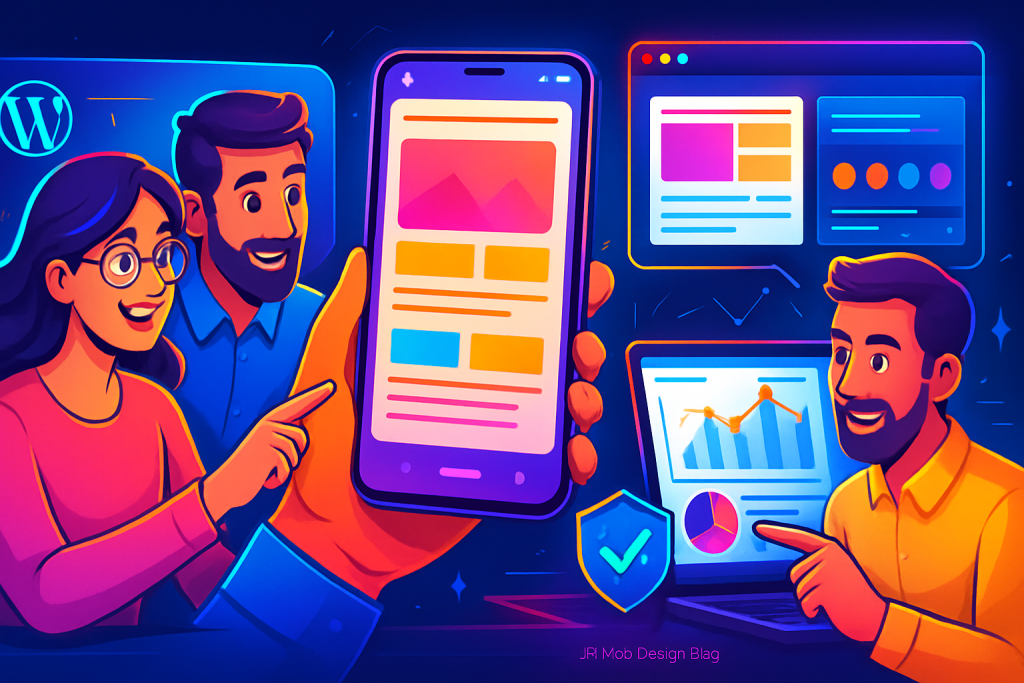
In today’s digital-first world, a well-designed website is vital for engaging audiences. For editorial websites—those filled with articles, blogs, and multimedia—grid layouts can significantly enhance user experience (UX) and visual appeal. This article explores advanced grid layouts specifically for WordPress, focusing on how they can improve readability and engagement while ensuring your site remains responsive and modern.
Understanding Grid Layouts
Grid layouts are essentially frameworks to arrange content on a webpage. They compartmentalise information, making it easy for visitors to navigate. An effective grid system helps to highlight important elements while providing a clear structure. For editorial websites, this means presenting articles, images, and videos in a way that’s visually appealing and easy to digest.
There are various types of grid layouts, such as fixed grids, fluid grids, and responsive grids. Fixed grids have a set width, while fluid grids adapt to the screen size. Responsive grids combine both approaches, adjusting elements based on the device used. Choosing the right type of grid is essential to ensure your content is displayed effectively across all platforms.
When designing your grid layout, consider how the arrangement of elements can guide users through your content. A well-thought-out grid not only organizes information but also draws attention to key articles or features, enhancing the overall flow of your website.
Benefits of Advanced Grid Layouts
When you implement advanced grid layouts, you gain several advantages:
- Enhanced Readability: Well-structured grids break content into manageable pieces.
- Visual Appeal: Grids can make your site look polished and professional.
- Increased Engagement: Engaging layouts can lead to longer visit durations.
- Flexibility: Grids work well across various devices, ensuring your site is responsive.
- SEO Benefits: A clear layout can improve your site’s search engine rankings.
Moreover, advanced grids can help promote featured content, increasing visibility for key articles or promotions. By using varying grid sizes and placements, you can highlight important posts or advertisements effectively.
Choosing the Right WordPress Theme
Picking a suitable WordPress theme is crucial for effective grid layouts. Here are a few things to consider:
- Customisation: Look for themes that allow you to adjust grid layouts easily.
- Responsive Design: Ensure the theme looks great on both desktop and mobile.
- Performance: A lightweight theme will load faster, improving user experience.
- Support: Choose themes with good documentation and community support.
Some popular WordPress themes that support advanced grid layouts include:
- Newspaper
- Divi
- GeneratePress
- OceanWP
- Astra
Additionally, consider the theme’s update frequency and compatibility with popular plugins. A well-maintained theme is less likely to have security vulnerabilities and will often support the latest features of WordPress.
Plugins to Enhance Grid Layouts
While choosing the right theme is essential, WordPress plugins can add more advanced grid functionalities to your site. Here are some plugins worth considering:
- Essential Grid: This plugin helps you create grids for posts, pages, and custom content.
- WP Grid Builder: It allows you to design and customise your grid layouts with ease.
- Grid Plus: This plugin offers flexibility in creating responsive grid layouts.
- Content Views: Perfect for displaying posts in beautiful grids without any coding.
- Post Grid: A simple tool to create grids for your posts with various layouts.
Furthermore, consider plugins that provide analytics features, allowing you to track how users interact with your grid layouts. Understanding user behavior is crucial for making informed adjustments to improve engagement.
Modern WordPress Design Angle
Incorporating advanced grid layouts into your editorial design aligns with modern WordPress standards. Today’s audiences expect a seamless experience, whether they’re browsing on desktop or mobile. A well-implemented grid layout not only enhances aesthetics but also supports better SEO practices. Search engines like Google favour sites that provide clear and concise information, which grid layouts can help achieve.
In addition, focusing on accessibility is vital. A thoughtful grid layout can improve readability for users with disabilities, ensuring a wider audience can engage with your content. Using tools like custom colour schemes and ARIA labels can further enhance your site’s accessibility.
Moreover, integrating multimedia elements like videos, infographics, and podcasts within grid layouts can cater to diverse audience preferences, encouraging longer engagement and interaction. This diversification not only enriches user experience but also establishes your site as a comprehensive resource.
As visual trends evolve, incorporating subtle animations or hover effects within grid items can create a more interactive experience. This modern touch can engage users and encourage them to explore more content.
Key Considerations for Layout Design
When designing your grid layout, keep the following in mind:
- Hierarchical Structure: Organise content based on importance.
- Consistent Spacing: Use consistent margins and padding to create a clean look.
- Visual Balance: Maintain a balance between text and images to avoid clutter.
- Responsive Design: Ensure that your grid adapts well to different screen sizes.
One effective technique is to use modular grids, where different sections can vary in size but remain consistent in alignment. This approach allows for flexibility without sacrificing structure. Additionally, consider using asymmetrical grids to create a more dynamic and engaging layout, breaking the monotony often seen in traditional designs.
Another consideration is the use of whitespace. Adequate spacing between grid elements improves focus and makes navigation intuitive. The right amount of whitespace can also enhance the overall aesthetic appeal, guiding users’ eyes to important content.
Testing Your Grid Layouts
Once you’ve implemented your grid layout, testing is crucial. Here’s how to ensure your layout is functioning optimally:
- Cross-Device Testing: Check how your grid looks on various devices and screen sizes.
- Load Speed: Use tools like Google PageSpeed Insights to assess load times and responsiveness.
- User Feedback: Gather insights from actual users to understand their experiences.
- Accessibility Check: Use tools like WAVE to ensure your site is accessible to all users.
By focusing on these areas, you can fine-tune your grid layout for the best performance and user satisfaction. Regularly revisiting your design and testing elements will help you stay ahead of design trends and user expectations.
Consider A/B testing different grid configurations to determine which layout resonates most with your audience. This data-driven approach allows you to make informed decisions based on user interaction.
Conclusion
Advanced grid layouts are a game-changer for editorial website design, particularly for WordPress users. They enhance readability, engagement, and user experience. By choosing the right theme, utilising plugins, and adhering to modern design principles, you can create a robust and appealing website that resonates with your audience. Remember to test and adapt your layouts regularly to ensure they meet user needs and expectations.
Investing in a well-structured grid layout can lead to improved conversions, trust, and ultimately, success for your site. As digital trends evolve, staying updated with the latest design practices and user preferences will keep your editorial site fresh and relevant. Your commitment to a thoughtful design process will not only attract visitors but will also encourage them to return, fostering a loyal audience.
Related posts
- Website Deployment Workflows for Agencies and Freelancers: A Practical Guide with WordPress Plugins
- Portfolio Page Design That Showcases Case Studies Clearly: A Practical Guide for Small Businesses and Website Owners
- Effective Trust Signal Placement On Ecommerce And Service Websites For Better Conversions | JR Web Design