WordPress Article
Website Hardening After Launch for Better Security: Essential WordPress Plugins and Practices for Small Businesses
Learn website hardening after launch for better security with practical advice on implementation, performance, security, SEO, and scalable website workflows for better results.
Website Hardening After Launch for Better Security
Essential WordPress Practices for Beginners and Small Businesses
Launching a website is an exciting milestone for any business. However, it’s essential to remember that the launch is just the beginning. Ensuring your website is secure requires ongoing effort. Website hardening refers to the processes and strategies you can employ to protect your site after it goes live. In this guide, we’ll explore practical WordPress plugins, tips, and best practices to enhance your website’s security.
Understanding Website Hardening
Website hardening is about making your WordPress site less vulnerable to attacks. Cyber threats are rampant, and small businesses are often targeted because they may not have robust security measures in place. By implementing website hardening techniques, you can protect your data, user information, and overall site integrity.
Why Use Plugins for Security?
WordPress is known for its vast plugin ecosystem that allows users to extend functionality without needing technical skills. When it comes to security, there are numerous plugins specifically designed to harden your website. Here are a few reasons to consider using security plugins:
- Automated security measures
- Regular updates to counter new threats
- User-friendly interfaces for easy management
- Scalable solutions as your business grows
Top WordPress Security Plugins
Here are some top security plugins that can help you with website hardening:
1. Wordfence Security
Wordfence is a comprehensive security plugin that offers firewall protection, malware scanning, and login security. It’s user-friendly and regularly updates its database to protect against the latest threats.
2. Sucuri Security
Sucuri is another popular choice, focusing on security activity auditing, file integrity monitoring, and remote malware scanning. It provides a complete security solution for your website.
3. iThemes Security
iThemes Security offers over 30 ways to secure your site. Features include two-factor authentication, strong password enforcement, and file change detection, making it an excellent option for small business owners.
4. All In One WP Security & Firewall
This plugin offers a comprehensive security solution, including firewall protection, user account security, and database security. It is suitable for users of all skill levels and provides a visual dashboard for monitoring security status.
5. SecuPress
SecuPress is a user-friendly plugin that includes malware scanning, security alerts, and a firewall. It also offers a free version with essential features, making it accessible for small businesses.
Best Practices for Website Hardening
In addition to using security plugins, consider these best practices for hardening your WordPress site:
1. Keep Everything Updated
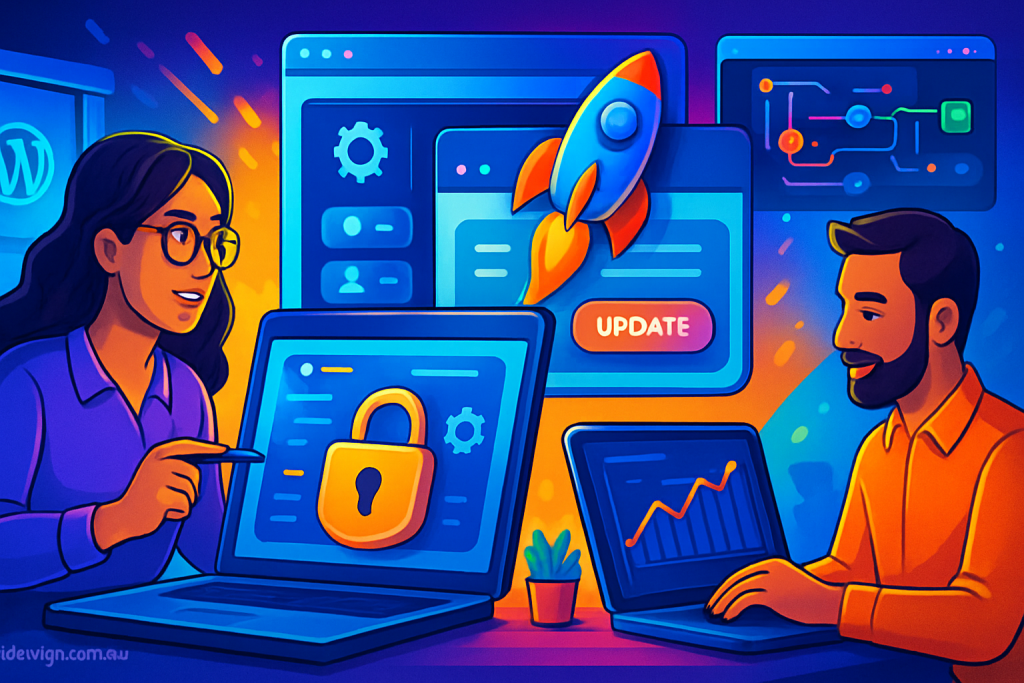
Always ensure your WordPress core, themes, and plugins are up to date. Updates often include security patches that protect against vulnerabilities.
2. Use Strong Passwords
Strong passwords are your first line of defence. Use a mix of letters, numbers, and symbols, and consider implementing a password manager to keep track of different login details.
3. Limit Login Attempts
Limiting login attempts can help thwart brute force attacks. Consider using a plugin that restricts the number of login attempts a user can make before being locked out.
4. Regular Backups
Regular backups are crucial. In the event of a security breach, having a backup can save you from losing critical data. Use a plugin like UpdraftPlus to automate backups.
5. Implement SSL
Utilizing SSL (Secure Socket Layer) encrypts data transferred between your server and your users. This is vital for protecting sensitive information and boosting SEO rankings.
Modern WordPress Design Angle
While implementing security measures, it’s also essential to consider modern WordPress design. A well-designed website can enhance user experience and security. For instance, a responsive design ensures that your site is accessible on various devices, reducing the risk of attacks targeting outdated versions of browsers.
Additionally, modern themes often include built-in security features, such as HTML sanitisation and inline validation, which help prevent XSS (Cross-Site Scripting) attacks. Choosing a reputable theme from a trusted source can significantly boost your site’s security while providing a fresh and modern look.
Monitoring and Ongoing Maintenance
Website security is not a one-time task. Ongoing maintenance and monitoring are essential. Here are some steps to follow:
1. Regular Security Audits
Conduct regular security audits to identify any vulnerabilities in your site. This can be done manually or with the help of security plugins that provide audit logs.
2. Monitor User Activity
Keeping an eye on user activity can help catch any suspicious behaviour before it escalates. Many security plugins offer this feature as part of their service.
3. Educate Your Team
If you have a team, ensure they understand the importance of security. Regular training on recognising phishing attempts and using secure passwords can go a long way.
4. Implement a Firewall
Utilising a web application firewall (WAF) can help filter out malicious traffic before it reaches your server. Many security plugins come with built-in firewall features that add an extra layer of protection.
5. Set Up Security Notifications
Enable notifications for suspicious activities, such as failed login attempts or changes to files. This proactive approach allows you to react quickly to potential threats.
6. Utilize Security Scanning Tools
Employing tools that scan your website for vulnerabilities can provide insights into potential weaknesses. Regularly running these scans will help keep your site secure.
Conclusion
Hardening your website after launch is crucial for better security. By using reliable WordPress plugins, adhering to best practices, and considering modern design principles, you can significantly reduce vulnerabilities and protect your online presence. Taking these steps will not only secure your website but also enhance its functionality and user experience. Remember, a secure site builds trust with your customers and lays a solid foundation for your business to thrive. Consistently reviewing and updating your security measures will ensure that your website remains a safe space for both you and your users.