WordPress Article
Designing Responsive Hero Sections That Load Fast: A Practical Guide for WordPress Users
A practical guide to designing responsive hero sections that load fast, including UX, accessibility, speed, conversion, and modern website design decisions for better results.
Quick Start Guide
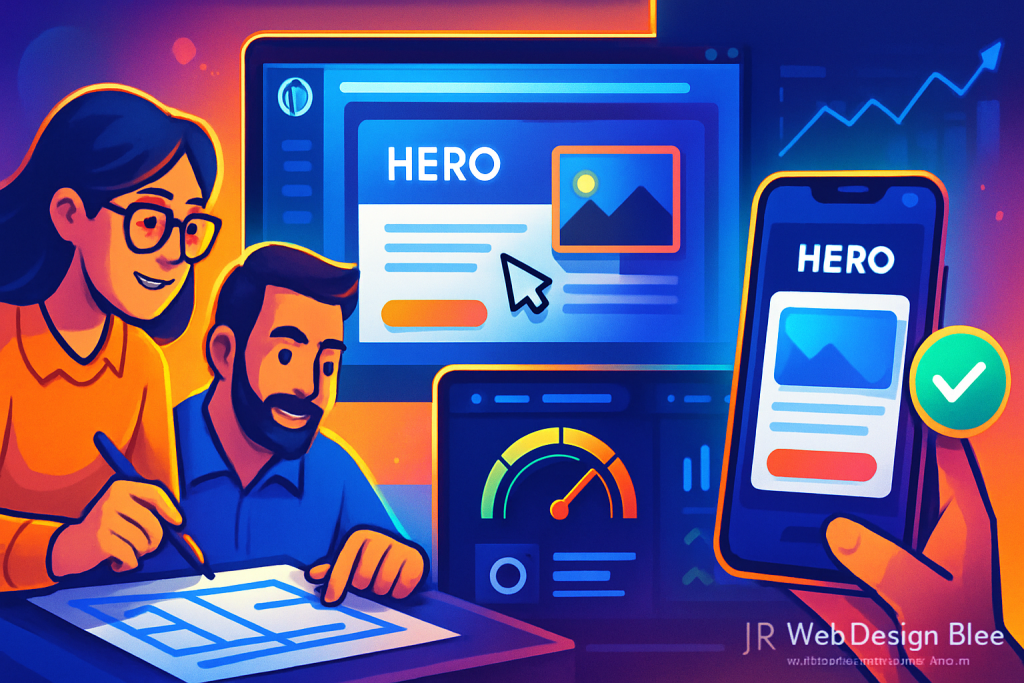
This guide will help you create responsive hero sections that are both visually appealing and fast-loading.
Understanding Hero Sections
Hero sections are the first thing visitors see when landing on your website. They usually contain a large image or video, a catchy headline, and a call to action (CTA). A well-designed hero section can significantly improve user engagement and conversions. Moreover, it sets the tone for the overall user experience, making it a critical element in web design.
Importance of Responsiveness
In today’s digital landscape, more users access websites via mobile devices than ever before. A responsive hero section adjusts its layout according to the screen size, ensuring a smooth user experience whether on a smartphone, tablet, or desktop. Additionally, a responsive design helps in retaining users, as they are less likely to bounce off a site that adjusts to their viewing preferences.
Here are a few reasons why responsiveness matters:
- Improves user experience.
- Boosts SEO rankings.
- Increases engagement and conversion rates.
Prioritising Speed
Website speed is crucial for retaining visitors. If your hero section takes too long to load, potential customers may leave before they even see your content. Research shows that even a one-second delay can lead to a significant drop in conversions. Here are tips to ensure your hero section loads quickly:
- Use optimised images: Compress images without losing quality.
- Minimise HTTP requests: Combine files where possible.
- Leverage browser caching: Store certain files on users’ devices to speed up loading times.
Designing Your Hero Section
When designing your hero section, keep the following elements in mind:
- Visual Appeal: Select images or videos that reflect your brand identity.
- Clarity: Make your headline clear and concise.
- Call to Action (CTA): Ensure your CTA is prominent and compelling.
Additionally, consider the use of whitespace to enhance readability and focus. An overcrowded hero section can detract from its effectiveness, so balance is key. Use typography that aligns with your brand voice, ensuring that it is legible across all devices.
Integrating subtle animations can also add a modern touch without compromising speed. However, use them judiciously to avoid distracting users from the main message.
Accessibility Considerations
Accessibility is vital for ensuring all users can engage with your content. Here are some ways to make your hero section accessible:
- Use descriptive alt text for images.
- Ensure high contrast between text and background.
- Make sure your site is navigable via keyboard.
Moreover, consider the use of ARIA (Accessible Rich Internet Applications) attributes to enhance the accessibility of dynamic content. Testing your hero section with screen readers can help identify any areas that may be lacking.
Modern WordPress Design Angle
WordPress offers a plethora of themes and plugins that can help you design an effective hero section. Modern themes often come with built-in responsive features and customisation options, making it easier for you to create a hero section that meets your needs. Many premium themes also support drag-and-drop functionality, enabling you to arrange elements without coding knowledge.
For example:
- Page Builders: Tools like Elementor or Beaver Builder allow you to drag and drop elements, making it simple to design a beautiful hero section.
- Optimisation Plugins: Plugins like WP Rocket or Smush can help improve load times by compressing images and caching your pages.
With the right tools, you can design a hero section that not only looks great but also performs well in terms of speed and responsiveness. Additionally, consider using custom CSS to fine-tune the aesthetics of your hero section to align perfectly with your branding.
It’s also important to stay informed about the latest updates in the WordPress ecosystem, as new plugins and themes are regularly released that can enhance your design capabilities.
Testing and Feedback
Once you’ve designed your hero section, it’s crucial to test how it performs across different devices and web browsers. Use tools like Google PageSpeed Insights to check loading times and responsiveness. It’s also beneficial to conduct A/B testing to compare different designs or CTA placements to see which performs better in terms of user engagement.
Collect feedback from real users. Ask friends, family, or even customers for their thoughts on the usability and appeal of your hero section. This feedback can guide you in making necessary adjustments. User testing can provide valuable insights that you may not have considered.
Consider using heat mapping tools to understand where users are clicking most frequently. This data can help you refine your hero section further, ensuring it aligns with user behavior and preferences.
Continuous Improvement
Designing a hero section is not a one-time task. Regularly revisit your design and update it based on the latest trends and user feedback. This will ensure your website remains relevant and effective. Keep an eye on industry trends and competitor strategies to stay ahead in design aesthetics and functionality.
Consider using analytics tools to track user interactions with your hero section. Metrics such as click-through rates on your CTA can provide valuable data to inform your design decisions. Additionally, monitoring bounce rates can help you identify if your hero section is effectively capturing user interest.
Regularly updating your content and visuals can also keep your hero section fresh and engaging for repeat visitors. Implementing seasonal themes or promotions can encourage users to return to your site.
Conclusion
Designing responsive hero sections that load fast is essential for capturing your audience’s attention and driving conversions. By focusing on responsiveness, speed, and accessibility, you can create a hero section that not only looks great but also functions optimally. The integration of design best practices and modern WordPress tools will streamline your workflow and enhance the user experience.
Utilise modern WordPress tools and practices to make the design process easier and more effective. Remember, continuous improvement is key to maintaining a successful online presence. Stay updated with the latest web design trends and technologies to ensure your hero section remains a powerful asset in your digital marketing strategy.