WordPress Article
Server-Side Rendering vs Static Generation For Business Websites
Learn server-side rendering vs static generation for business websites with practical advice on implementation, performance, security, SEO, and scalable website workflows for better results.
Understanding Server-Side Rendering vs Static Generation
Learn the essentials of server-side rendering and static generation for your business website.
What Are Server-Side Rendering and Static Generation?
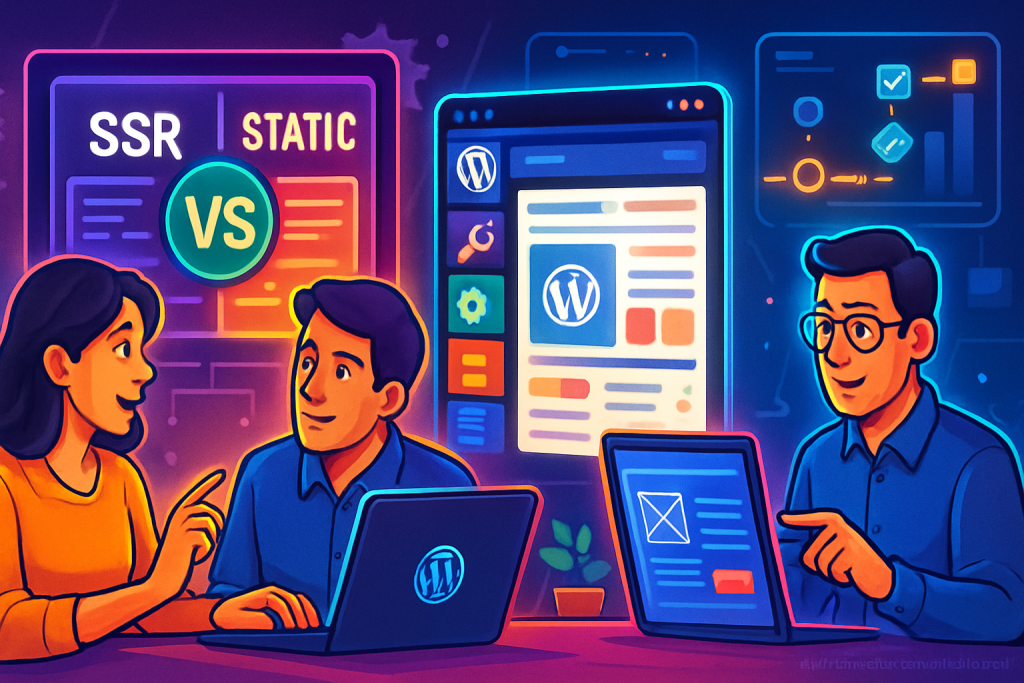
When building a website for your business, you may come across terms like server-side rendering (SSR) and static generation (SG). Both are techniques used to deliver content to users, but they operate differently.
Server-side rendering means the server generates the HTML for your page on-the-fly when a user requests it. Static generation, on the other hand, involves pre-rendering the HTML at build time, serving it as static files.
How Do They Impact Performance?
Performance is crucial for your website. Users expect pages to load quickly. Here’s how SSR and SG compare:
- Server-Side Rendering: Each request requires processing time on the server. This can lead to delays during peak traffic times.
- Static Generation: Since the pages are pre-rendered, they load quickly without much server processing time. Ideal for sites with constant content.
SEO Considerations
Search engines need to crawl your website effectively to rank it. Both SSR and SG have their advantages here.
- Server-Side Rendering: Search engines can crawl the page quickly as the HTML is generated when accessed. Good for dynamic content.
- Static Generation: Search engines appreciate static pages because they are already rendered. This can lead to better indexing.
Which Is Best for My Business Website?
Choosing between SSR and SG depends on your business needs:
- Content Frequency: If your content changes often, SSR might be a better fit. If your site has mostly static content, SG is ideal.
- Traffic Levels: If you expect high traffic, SG can handle it better since it serves pre-rendered pages.
- User Experience: Fast-loading pages enhance user experience, making SG generally preferable.
Plugins for WordPress: Enhancing Your Workflow
WordPress has various plugins that can help you implement SSR or SG effectively:
- WP Super Cache: Great for static generation, it serves cached versions of your pages to users.
- W3 Total Cache: Offers both caching and CDN support, enhancing performance for both SSR and SG.
- Next.js: If you are considering a headless WordPress setup, Next.js supports both SSR and SG, providing flexibility.
Security Aspects
Security is vital for any business website. Here’s how SSR and SG stack up:
- Server-Side Rendering: More dynamic processes mean more chances for vulnerabilities unless properly secured.
- Static Generation: Serving static files is generally safer, as there are fewer points of attack.
Maintenance Considerations
Your choice will impact how you maintain your website:
- Server-Side Rendering: Requires ongoing server management and possibly more complex setups.
- Static Generation: Easier to maintain since updates can be pushed with less frequent server interaction.
Modern WordPress Design Angle
Modern website design is moving towards greater performance and usability. When considering SSR vs SG, focus on:
- Responsive Design: Both methods can support responsive designs but static sites can load faster on mobile devices.
- Minimalist Aesthetic: Static sites can benefit from being lightweight, allowing for a clean visual style that appeals to users.
- User Interactivity: With modern JavaScript frameworks, you can enhance user interaction whether you choose SSR or SG.
Practical Tips for Implementing SSR and SG
To effectively implement SSR and SG, consider the following practical tips:
- Evaluate Your Content Strategy: Determine how often your content changes to decide which method suits your business needs.
- Leverage Caching: Use caching plugins wisely to enhance performance regardless of the method you choose.
- Monitor Performance: Regularly check your site’s performance using tools like Google PageSpeed Insights to identify bottlenecks.
- Stay Updated: Keep your WordPress installation and plugins updated to leverage the latest performance improvements and security patches.
Future Trends in Web Development
As web development continues to evolve, it’s important to stay informed about emerging trends that could impact your approach to SSR and SG:
- JAMstack Architecture: This modern approach combines JavaScript, APIs, and Markup, making it easier to use static generation effectively.
- API-First Development: Emphasizing APIs allows for more flexibility in how you serve content, whether through SSR or SG.
- Progressive Web Apps (PWAs): These apps leverage modern web capabilities to deliver an app-like experience, making both SSR and SG more relevant.
User Experience and Engagement
In today’s digital landscape, user experience plays a critical role in the success of your website. Both SSR and SG can contribute to an enhanced experience in different ways:
- Fast Load Times: Users are more likely to stay on a site that loads quickly. SG typically offers quicker load times, which can reduce bounce rates.
- Interactive Features: SSR allows for real-time updates and interactivity, which can be beneficial for applications requiring frequent user engagement.
- Consistent Performance: Regardless of the method, ensuring your site performs consistently across devices is essential for maintaining user satisfaction.
Analytics and Data Tracking
Another important aspect of managing your business website is analytics. Understanding how users interact with your site can guide improvements and inform your choice between SSR and SG:
- Real-Time Data: SSR can provide real-time analytics, allowing you to monitor user behavior as it happens.
- Pre-Rendered Insights: SG allows you to analyse user interactions on pre-rendered pages, helping you understand which content resonates best.
- A/B Testing: Both methods can facilitate A/B testing, enabling you to refine your content and layout for maximum engagement.
Final Thoughts
Both server-side rendering and static generation have their pros and cons. Your choice should align with your business goals, content strategy, and target audience. Think about performance, SEO, security, and maintenance needs when making your decision.
Remember, the right tools and plugins can significantly ease your workflow, whether you lean towards SSR or SG. Always consider your audience’s experience as the primary driver of your website’s design and functionality.