WordPress Article
Designing Website Search Results Pages for Usability: Enhance User Experience with Effective WordPress Strategies
A practical guide to designing website search results pages for usability, including UX, accessibility, speed, conversion, and modern website design decisions for better results.
Introduction
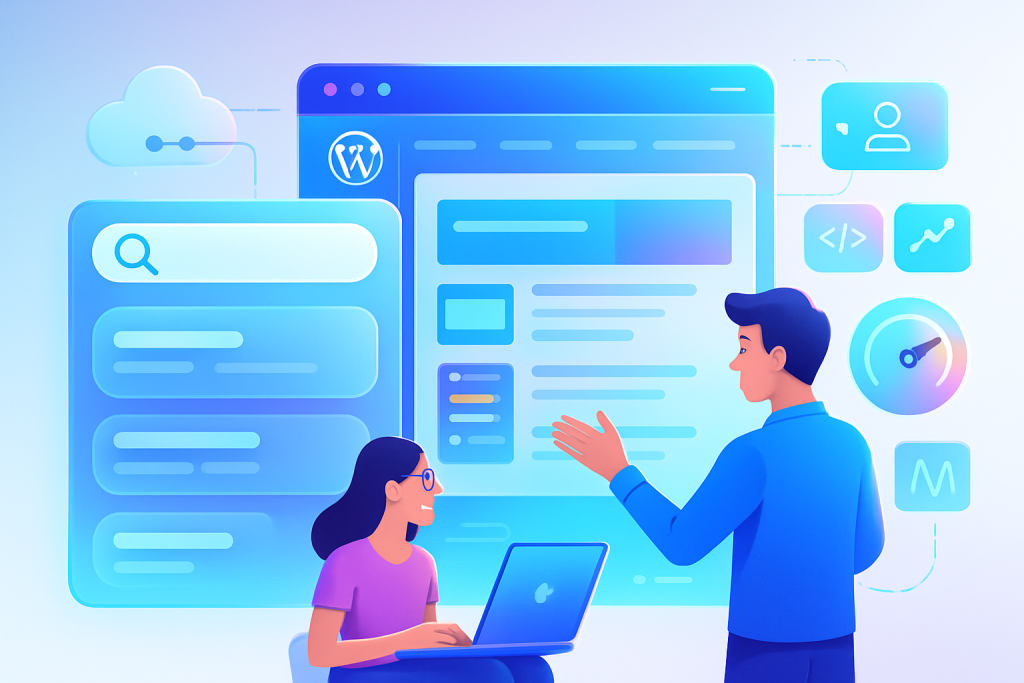
Creating an effective website is more than just having attractive graphics and engaging content. One often-overlooked component is the search results page. A well-designed search results page can significantly impact user satisfaction and conversion rates. In this article, we will explore practical strategies for designing website search results pages with usability in mind, specifically focusing on WordPress solutions.
Understanding User Intent
The first step in designing an effective search results page is understanding what users want. A search results page should address user intent by providing relevant, accurate results. Begin by considering the types of queries your audience is likely to make. Are they looking for specific products, services, or information? Tailoring the search functionality to align with these expectations is crucial.
To further enhance user satisfaction, consider implementing a user feedback loop. This can involve surveys or feedback forms asking users if they found what they were looking for. The insights gained can be invaluable in refining your search capabilities and ensuring that user intent is consistently met.
Key Elements of a Usable Search Results Page
When designing your search results page, consider including the following elements:
- Clear Titles: Ensure that titles of results are descriptive and concise.
- Snippet Previews: Include brief summaries or snippets of content to help users decide which results to click on.
- Faceted Search: Allow users to filter results based on categories, date, or relevance.
- Pagination: Use pagination or infinite scrolling to manage large sets of results without overwhelming users.
- Visual Hierarchy: Organise results with a clear visual hierarchy to guide users’ attention.
Additionally, consider integrating user ratings or reviews directly within the search results. This can provide immediate social proof and assist users in making informed decisions about which links to pursue.
Optimising for Mobile Devices
With an increasing number of users accessing websites via mobile devices, ensuring your search results page is mobile-friendly is vital. Here are practical tips to enhance usability on mobile:
- Responsive Design: Use a responsive WordPress theme that adapts to various screen sizes.
- Touch Targets: Ensure buttons and links are large enough for easy tapping.
- Fast Loading Times: Optimise images and minimise scripts to improve load speed.
Moreover, consider using mobile-specific features like voice search. With the rise of voice-activated assistants, enabling voice search can make it easier for users to find what they need without typing, thus enhancing their experience further.
Enhancing Accessibility
Accessibility should be a priority when designing your search results pages. By adhering to accessibility standards, you ensure that all users, including those with disabilities, can navigate your site. Here are some key considerations:
- Alt Text: Use descriptive alt text for images.
- Screen Readers: Structure HTML properly for compatibility with screen readers.
- Keyboard Navigation: Ensure users can navigate without a mouse.
In addition, you may want to consider implementing ARIA (Accessible Rich Internet Applications) roles and properties, which can help assistive technologies interpret your content more effectively. This additional layer can significantly improve the user experience for individuals relying on these tools.
Using WordPress Plugins to Improve Functionality
WordPress offers a variety of plugins that can enhance the functionality of your search results pages. Here are some examples:
- SearchWP: This plugin enhances the default WordPress search by providing more relevant results.
- Relevanssi: It replaces the default search with a more powerful search engine that includes fuzzy matching and partial matches.
- Ajax Search Lite: This plugin allows for instant search results as users type, improving user experience.
In addition to these, consider plugins that integrate with WooCommerce if your site sells products. For instance, plugins like WooCommerce Product Search can help users find specific items quickly, further streamlining their shopping experience.
Modern WordPress Design Angle
When thinking about modern web design, adaptability is key. WordPress themes today are built with flexibility and usability in mind. Here are some current trends that can help improve your search results pages:
- Minimalism: A clean, simple layout helps users focus on their search results without distraction.
- Dynamic Content: Use dynamic data to present personalised results based on user behaviour.
- Light and Dark Modes: Offering both modes can enhance user experience, especially for readability.
Moreover, incorporating micro-interactions can greatly enhance the user experience. Subtle animations or feedback when a user interacts with the search results can make the experience feel more engaging and intuitive.
Testing and Iteration
After designing your search results page, it’s essential to test it with real users. Conduct usability testing to identify pain points and gather feedback. Make necessary adjustments based on this feedback to continually improve the user experience.
Consider using A/B testing to compare different versions of your search results page. This can help you determine which elements resonate best with users and lead to higher engagement or conversion rates.
Content Strategy for Search Results Pages
In addition to the design aspects, a solid content strategy can significantly influence the effectiveness of your search results page. Start by ensuring that your website’s content is well-structured and optimised for search engines. Use relevant keywords strategically within your content to improve visibility.
Moreover, consider creating a dedicated FAQ section or a blog that addresses common queries related to your site’s offerings. This can not only provide additional context for search results but also improve the overall SEO performance of your site. Engaging content can encourage visitors to spend more time on your site, further enhancing the likelihood of conversions.
The Role of Analytics
Utilising analytics tools can offer valuable insights into how users interact with your search results page. Monitoring metrics such as click-through rates, bounce rates, and user engagement can help you identify areas for improvement. For instance, if you notice that certain results have high impressions but low clicks, it may indicate that the titles or snippets need to be more compelling.
Google Analytics and other similar tools can help track user behaviour and provide data-driven insights. Use this information to refine your search functionality and improve the overall user experience.
Conclusion
Designing website search results pages with usability in mind is an ongoing process that combines user research, design principles, and modern WordPress tools. Prioritising user intent, mobile responsiveness, accessibility, and functionality will not only enhance user experience but also boost your conversion rates. By implementing these strategies, your website’s search functionality can become a powerful asset in meeting your visitors’ needs. As you continue to iterate and improve based on user feedback, your search results page can evolve into a seamless, integral part of your website’s overall user journey.
Related posts
- Using Whitespace Effectively In Professional Web Design For Better User Experience And Improved Conversions
- Multi-Step Form UX For Quote And Booking Websites: Boost Your Conversions with Practical Design Strategies
- Portfolio Page Design That Showcases Case Studies Clearly: Boost Your Business with Effective WordPress Strategies