WordPress Article
Multilingual Website Technical Setup for SEO: Practical WordPress Guidance for Small Businesses and Tradies
Learn multilingual website technical setup for SEO with practical advice on implementation, performance, security, SEO, and scalable website workflows for better results.
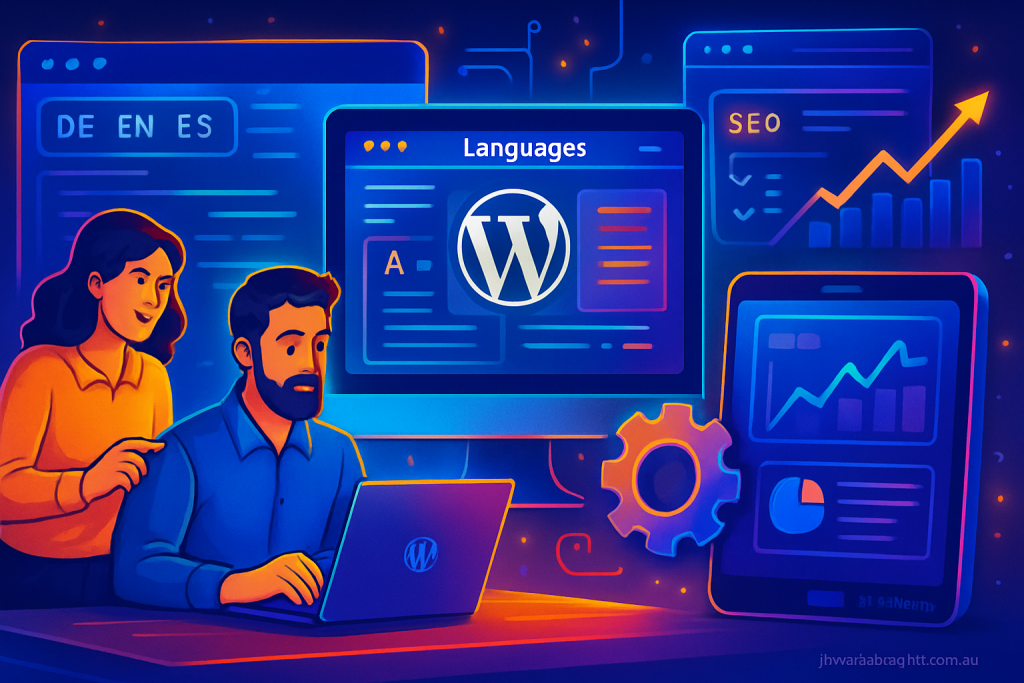
Unlocking Success with Multilingual Websites
Why Multilingual Websites Matter
In today’s global market, having a multilingual website is essential. If you’re a small business owner, tradie, or service provider, appealing to a broader audience can significantly boost your visibility and sales. But beyond just translation, you must consider the technical setup, especially for SEO.
Research indicates that consumers are more likely to engage with content in their native language. This not only enhances user experience but also builds trust. When potential customers see that you cater to their language preferences, they are more likely to choose your services over competitors.
Understanding the Basics
A multilingual website allows users to access content in their preferred language. This offers a better user experience and improves your chances of ranking higher in search engines. Search engines value user experience, and providing content that caters to different languages is a step in the right direction.
Moreover, a well-structured multilingual site can help you capture diverse markets. For example, a tradie in Australia could attract clients from various demographics by offering content in multiple languages, thus widening their customer base.
Choosing the Right WordPress Plugins
When setting up a multilingual site, the right plugins are vital for seamless operation. Here are a few popular options:
- WPML (WordPress Multilingual Plugin) – A robust plugin allowing you to create and manage multilingual content easily.
- Polylang – A free alternative that’s user-friendly and effective for small businesses.
- TranslatePress – Best for visual translation, allowing you to translate directly from the front-end.
Each of these plugins has unique features that can cater to different needs, so it’s essential to evaluate what works best for your specific situation. For instance, if you have a more extensive site or require complex translations, WPML may be the best fit. Conversely, if you’re just starting, Polylang could provide the simplicity and functionality you need.
Setting Up WPML for Optimal Performance
Let’s dive into how to set up WPML, one of the most popular plugins for multilingual websites. Here’s a step-by-step guide:
- Installation: Install WPML via your WordPress dashboard. Go to Plugins > Add New, search for WPML, and install it.
- Configuration: Once activated, follow the setup wizard. Select your default language and the languages you wish to add.
- Content Translation: Translate pages, posts, and taxonomies. WPML allows you to manage translations easily from the admin panel.
- SEO Integration: Ensure your SEO settings are applied to translations. WPML works with popular SEO plugins like Yoast to ensure proper indexing.
After setup, it’s beneficial to review your content regularly to ensure that all translations are up-to-date and accurately reflect the original content. Additionally, consider creating a dedicated language switcher that allows users to easily navigate between languages, enhancing their experience.
Performance Considerations
Performance is crucial for user experience and SEO. A multilingual site can slow down if not properly optimised. Here are some tips:
- Use Caching Plugins: Plugins like WP Rocket can help improve load times.
- Image Optimisation: Use tools like Smush to compress images without losing quality.
- Minify CSS and JS: This reduces file sizes and speeds up loading times.
Additionally, consider using a Content Delivery Network (CDN) to serve your content faster to users from different geographic locations. A CDN can also help manage traffic spikes, ensuring your site remains accessible during peak times.
Security for Multilingual Sites
Security should never be an afterthought, especially when managing a multilingual website. When you handle multiple languages, it can introduce vulnerabilities. Here are key steps for securing your site:
- Update Regularly: Keep your plugins, themes, and WordPress core updated to protect against vulnerabilities.
- Use a Security Plugin: Consider plugins like Wordfence or Sucuri for enhanced security measures.
- Implement SSL: An SSL certificate encrypts data and helps establish trust with users.
Moreover, regularly audit your site for potential security loopholes, especially if you’re managing content in various languages. It’s also wise to enforce strong passwords and two-factor authentication for added protection.
Maintaining Your Multilingual Website
Regular maintenance is essential to ensure your site runs smoothly. Here are some maintenance tips:
- Regular Backups: Use plugins like UpdraftPlus to back up your site regularly.
- Monitor Performance: Tools like Google PageSpeed Insights can help identify performance issues.
- SEO Audits: Regularly check your SEO settings to ensure all languages are optimised for search engines.
Additionally, keep an eye on user feedback to make ongoing adjustments to your content and structure, ensuring that it remains relevant to your audience. It’s also beneficial to analyze user behavior through tools like Google Analytics to understand which languages perform best and adjust your strategy accordingly.
Modern WordPress Design Angle
As you set up your multilingual website, consider modern WordPress design principles. A clean, responsive design will enhance user experience across languages. Here are some design tips:
- Responsive Themes: Choose a theme that adapts to different devices for a seamless experience.
- Readability: Use easy-to-read fonts and appropriate font sizes to cater to diverse audiences.
- Consistent Navigation: Ensure your navigation structure is simple and consistent across languages.
- Visual Hierarchy: Maintain a clear visual hierarchy to guide users, regardless of their language.
Implementing these design principles not only enhances usability but also encourages users to stay longer on your site, increasing the likelihood of conversions. Additionally, consider integrating visual elements that resonate with different cultures to further engage your audience.
Conclusion
Setting up a multilingual website can be a game-changer for small businesses and service providers looking to expand their reach. By choosing the right plugins, focusing on performance and security, and incorporating modern design elements, your multilingual site can thrive. Keep these tips in mind, and watch your audience grow!
In summary, the journey to a successful multilingual website involves careful planning and execution. From selecting the right plugins to ensuring robust security measures, every step counts. Stay proactive in maintaining your site and adapting to the needs of your audience, and you’ll be well on your way to achieving greater visibility and success in the global marketplace. Remember, a multilingual approach is not just about translating text; it’s about creating a welcoming and inclusive online environment that speaks to your diverse clientele.