WordPress Article
Dark Mode Considerations for Branded Websites, Essential Insights
A practical guide to dark mode considerations for branded websites, including UX, accessibility, speed, conversion, and modern website design decisions for better results.
Understanding Dark Mode
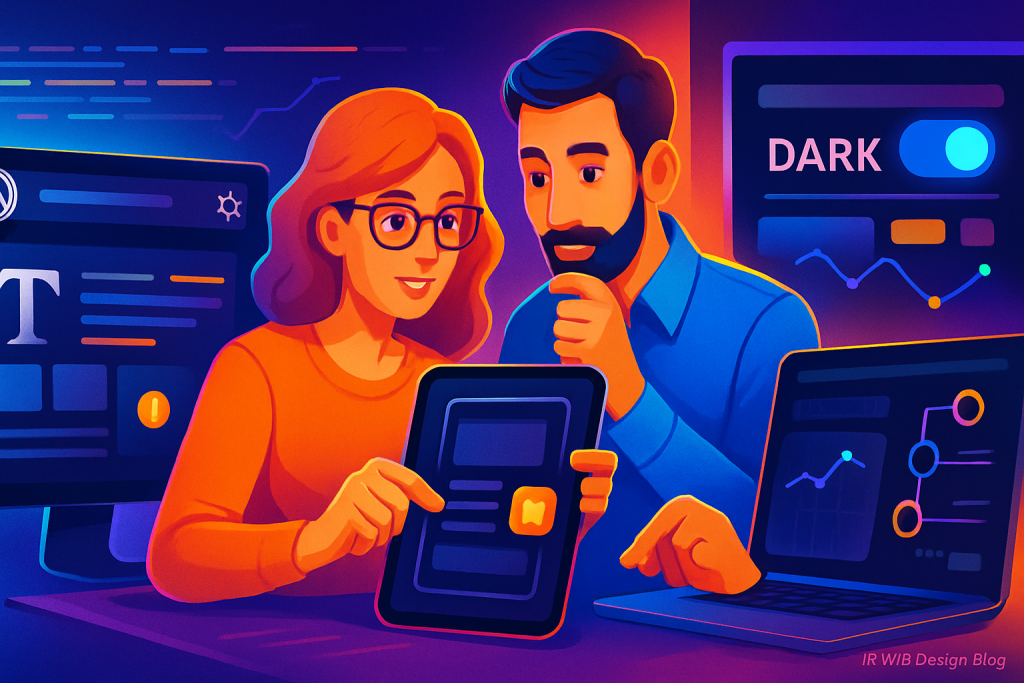
Dark mode is more than just a trend; it’s a valuable feature that can enhance user experience on your branded website.
What is Dark Mode?
Dark mode is a design option that uses a dark background with light text. It’s become increasingly popular among users, especially those who browse at night or in low-light environments. Not only does it reduce eye strain, but it can also save battery life on devices with OLED screens.
Why Consider Dark Mode for Your Website?
As a small business owner or a service provider, you might wonder why you should care about dark mode. Here are a few reasons:
- Increased User Comfort: Many users find dark mode easier on the eyes.
- Modern Aesthetic: Dark mode can give your brand a contemporary feel.
- Accessibility: Dark mode can enhance readability for certain audiences.
User Experience (UX) in Dark Mode
Dark mode can significantly improve the user experience on your website. However, it’s essential to implement it correctly. Here’s what to keep in mind:
Readability
Choosing the right contrast is crucial. Text should be easily readable against the dark background. Light greys or off-whites can be better alternatives to pure white, which can cause glare.
Consistent Branding
When transitioning to dark mode, ensure that your branding remains consistent. Your logo, colour palette, and overall design should still resonate with your audience, regardless of the mode.
Accessibility Considerations
Accessibility is a vital component of web design. Here are a few points to consider when implementing dark mode:
Color Blindness
Keep in mind that not all users perceive colours the same way. Ensure that your colour choices are accessible to those with colour blindness. Tools like contrast checkers can help you assess your design.
Text Size and Font
Use a legible font and appropriate text sizing to ensure that all users can read your content easily. Dark mode can amplify issues with small text, so consider scaling up font sizes.
Speed and Performance
While dark mode is visually appealing, you should also consider its impact on your website’s performance. Here are a few considerations:
Loading Times
Ensure that your dark mode implementation doesn’t slow down your site. Heavy graphics or poorly optimised themes can hinder performance. Choose lightweight WordPress themes that support dark mode effectively.
User Engagement
A faster website can lead to increased user engagement. If users find what they need quickly, they are more likely to stay longer and explore. Make sure that dark mode doesn’t compromise on speed.
Conversion Rates and Dark Mode
Your website’s goal is often to convert visitors into customers. Dark mode can play a role in this. Here are a few points to consider:
Visual Appeal
Dark mode can create a striking visual contrast that highlights calls to action. This can help direct attention to buttons and links, potentially increasing conversion rates.
User Preferences
Understanding your audience is key. If a significant portion of your visitors prefers dark mode, implementing it can enhance their experience and, consequently, improve conversion rates.
Modern WordPress Design Angle
When it comes to modern WordPress design, integrating dark mode is becoming essential. Here’s how to get started:
Choose the Right Theme
Many modern WordPress themes come with built-in support for dark mode. Look for themes that offer easy toggling between light and dark modes. This ensures a seamless transition for users who prefer either setting.
Plugins for Dark Mode
There are various plugins available that can help you implement dark mode seamlessly. Options like WP Dark Mode or Dark Mode for WP can simplify the process, allowing you to offer this feature without extensive coding knowledge. Make sure to read reviews and check compatibility before installation.
Testing and Compatibility
Always test your dark mode implementation across different devices and browsers. Compatibility is essential to ensure a consistent experience for all users. Regular updates to your theme and plugins can also prevent potential issues from arising.
Performance Optimization
In addition to aesthetics, consider the technical aspects of dark mode. Optimize images and scripts to ensure your site runs smoothly in both modes. Use caching plugins to improve loading times and minimize server response times.
Feedback and Iteration
After implementing dark mode, gather user feedback to understand their experience. This can help you identify areas for improvement. Regularly update your website based on user input and evolving design trends.
Additional Considerations for Dark Mode Implementation
Beyond the basics, there are several additional factors to consider when implementing dark mode on your website:
Content Visibility
Ensure that all your content—images, videos, and graphics—are optimized for dark mode. Some images may need adjustments in brightness or contrast to ensure they look good against a dark background.
Social Media Integration
Consider how dark mode affects your social media integrations. Ensure that icons and feeds maintain their visibility and aesthetic appeal in both modes, as social media is vital for engagement.
SEO Impact
While dark mode itself won’t directly affect your SEO, user experience improvements can lead to lower bounce rates and higher engagement, which are positive signals for search engines. Ensure your content remains high-quality and relevant to retain visitors.
Analytics Tracking
Monitor user interactions in dark mode versus light mode. This data can provide insights into user preferences and help you refine your approach. Use tools like Google Analytics to track engagement metrics effectively.
Final Thoughts
Implementing dark mode on your branded website can enhance user experience, improve accessibility, and potentially boost conversion rates. As a small business owner or website owner, staying ahead of design trends is crucial. By considering the insights shared in this article, you can make informed decisions that resonate with your audience.
Remember, the goal is to create a site that is not only visually appealing but also functional. Embrace dark mode as part of a comprehensive design strategy that aligns with your brand values and user preferences. The right integration of dark mode can set your website apart in a competitive digital landscape. By continuously iterating and improving based on user feedback and technological advancements, you can ensure that your website remains relevant and engaging.