WordPress Article
How Plugins and Themes Should Work Together In WordPress
A practical guide to how plugins and themes should work together in WordPress, including real WordPress theme advice, usability, speed, and a focused modern design section.
Introduction
WordPress is renowned for its flexibility, largely due to its themes and plugins. These tools empower you to design and enhance your site according to your specific needs. However, it’s important to understand how they should work together to create a seamless user experience. This article dives into this relationship, offering practical insights for small business owners, tradies, and anyone looking to leverage WordPress effectively.
The Role of Themes in WordPress
A WordPress theme dictates the overall look and feel of your website. It is the foundation on which your content is presented. Themes control layout, colours, typography, and more. Choosing the right theme is crucial as it not only affects aesthetics but also impacts usability and functionality. Themes can also dictate how content is structured and displayed, which can significantly influence user engagement.
When selecting a theme, consider your brand’s identity and the kind of experience you want to provide to your visitors. A good theme will be responsive, ensuring your site looks great on mobile devices, and should be optimised for speed and SEO. This sets the stage for how plugins can enhance your site further. Furthermore, themes often come with customization options that allow you to tweak settings to better align with your brand’s vision. This is where the synergy between plugins and themes becomes essential.
Understanding Plugins
Plugins are like the Swiss Army knives of WordPress; they add functionality that themes may not provide out of the box. From SEO tools to contact forms, plugins can significantly expand your website’s capabilities. However, it’s essential to choose them wisely to avoid conflicts with your theme. Each plugin has its unique features and intended use, and understanding these can help you select the right tools for your site.
When a plugin is activated, it interacts with the theme to enhance functionality. Therefore, ensure compatibility by researching before installation. A well-coded plugin will coexist peacefully with your theme, while poorly coded ones can lead to performance issues. Pay attention to user reviews and ratings, as these can provide insights into how well a plugin integrates with various themes. Keeping your plugins updated is equally important, as updates often include compatibility fixes and new features.
How Plugins and Themes Should Work Together
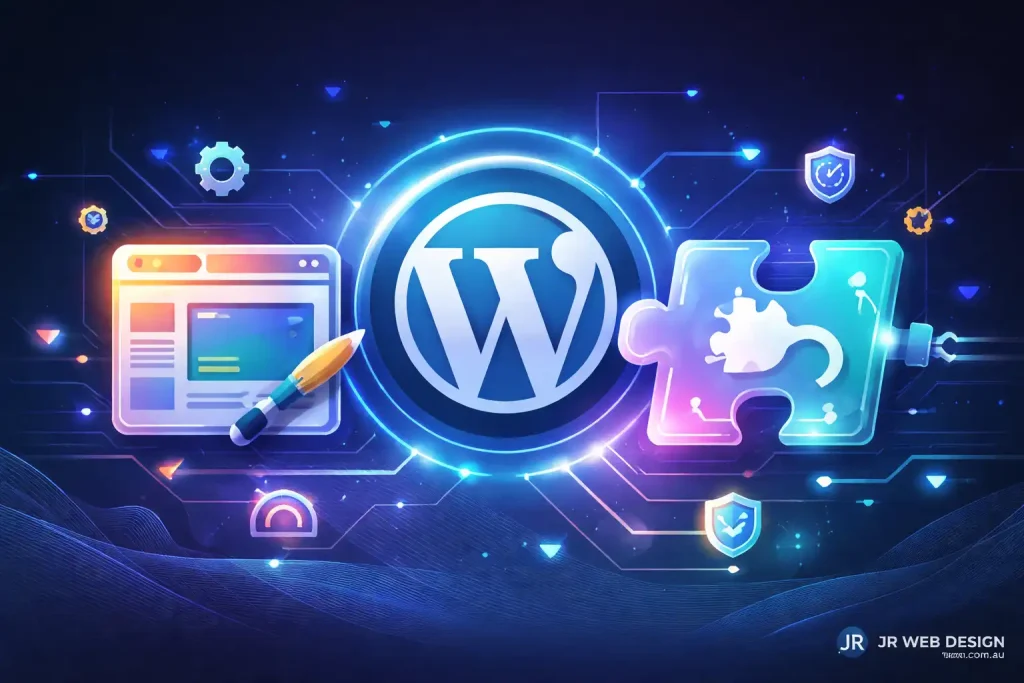
For optimal performance, plugins and themes should complement each other. A well-designed theme will often come with built-in features that reduce the need for additional plugins. However, when plugins are necessary, they should enhance the theme without altering its core functionality. This means that while a theme may have basic gallery functionality, a plugin could offer advanced features like lightbox effects or additional layout options.
For instance, if your theme offers custom post types, a plugin that manages post types should integrate seamlessly with that functionality. When both work in harmony, the result is a website that is fast, functional, and user-friendly. The key is to ensure that added features from plugins do not bloat the site or complicate user navigation. This harmony can be achieved through careful planning and testing.
Performance and Speed
A significant aspect of how plugins and themes work together is their impact on website speed. Themes that are lightweight and well-coded will work better with efficient plugins. The more plugins you add, the more resources your site will consume, which can slow it down. It’s crucial to balance functionality with performance, as a slow website can deter visitors and impact search engine rankings.
To maintain optimal speed, regularly check your site’s performance. Tools like Google PageSpeed Insights can help identify bottlenecks. If you notice sluggishness, consider deactivating unnecessary plugins or switching to a more optimised theme. Additionally, employing caching plugins can significantly improve load times by serving static versions of your pages. This can be a game-changer for user experience and overall site efficiency.
Modern WordPress Design Angle
In today’s digital landscape, modern WordPress design is about more than just aesthetics. It emphasises usability, readability, and mobile-friendliness. With most users accessing websites via mobile, your theme should be responsive, ensuring a seamless experience across devices. A modern theme should also accommodate a variety of content types, from images to videos, providing flexibility in how you present information.
Modern themes often come with built-in options for customisation, allowing you to adjust layouts, colours, and fonts without diving into code. This flexibility can be enhanced with plugins that specialise in design elements, such as sliders and galleries. The key is to strike a balance, ensuring that design choices do not compromise site speed or functionality. User experience should always be a priority; thus, features like intuitive navigation and clear call-to-action buttons are critical in keeping visitors engaged.
A good design should also build trust with your audience. Clear navigation, readable fonts, and professional aesthetics contribute to this. Choose themes and plugins that enhance these aspects, ensuring a user-friendly experience that keeps visitors engaged. It’s essential to test your design choices on different devices and browsers to ensure consistency and functionality across platforms.
Final Thoughts
Understanding how plugins and themes should work together is essential for any WordPress user. With the right theme acting as a solid foundation and plugins enhancing functionality, you can create a website that not only looks good but also performs well. The relationship between themes and plugins is a dynamic one, and staying informed about updates and best practices is crucial for maintaining a robust online presence.
Take the time to evaluate your needs and choose wisely. Investing in quality themes and plugins will pay off by providing a better experience for your visitors and achieving your business goals. Remember that a well-structured website can significantly impact user retention and conversion rates, so prioritising quality over quantity in your theme and plugin choices is vital.
With practical knowledge and the right tools, you can navigate the world of WordPress with confidence, ensuring your site stands out in a competitive online space. The journey may seem complex, but understanding the interplay between themes and plugins will empower you to make informed decisions that elevate your website’s performance and user experience.