WordPress Article
Designing Location Pages for Multi-City Businesses: Practical Guidance for WordPress Success
A practical guide to designing location pages for multi-city businesses, including UX, accessibility, speed, conversion, and modern website design decisions for better results.
Designing Location Pages for Multi-City Businesses
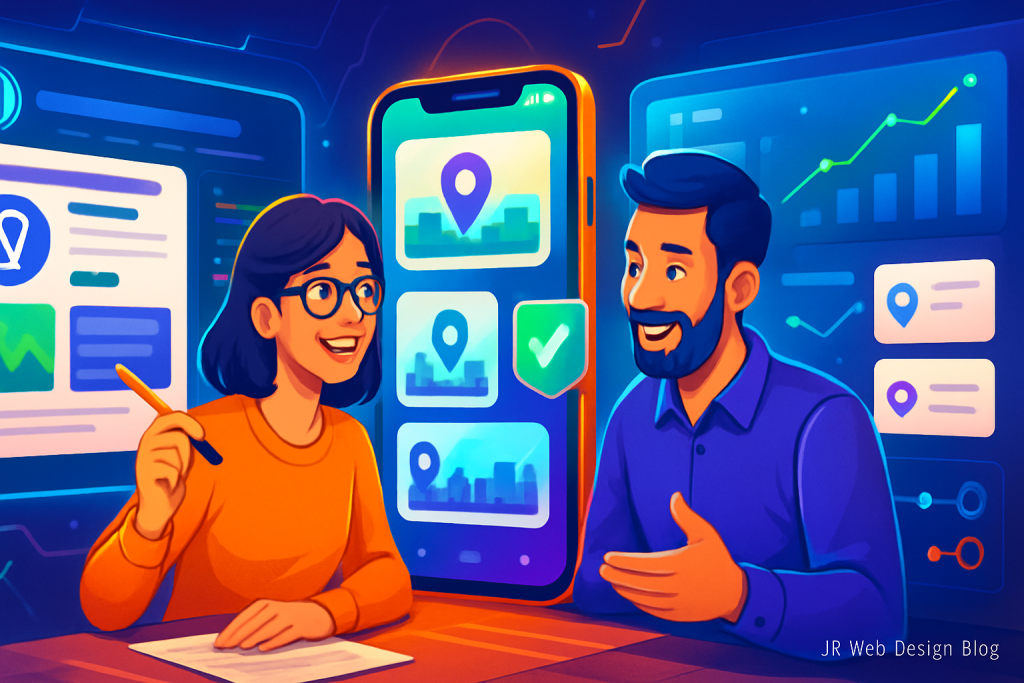
Creating effective location pages is essential for multi-city businesses looking to enhance their online presence. This practical guide will help you navigate the key aspects of designing these pages using WordPress.
Understanding the Importance of Location Pages
For businesses that operate in multiple locations, having dedicated location pages is crucial. These pages serve several purposes:
- Improve local SEO rankings.
- Provide targeted information for each location.
- Enhance user experience (UX) by making navigation easier.
- Drive conversions by catering to local audiences.
Crafting Engaging Content for Each Location
When designing location pages, content is king. Each page should include relevant information tailored to the specific audience. Here are some content ideas:
- Localised Services: Detail the specific services available in each city.
- Contact Information: Ensure phone numbers and addresses are accurate.
- Customer Testimonials: Showcase reviews from local clients to build trust.
- Local Insights: Include information about the area, such as popular landmarks.
Optimising for User Experience (UX)
User experience is vital for keeping visitors engaged. Consider the following to enhance UX on your location pages:
- Clean Layout: Use a straightforward layout that emphasises essential information.
- Mobile Responsiveness: Ensure your pages are mobile-friendly, as many users will be browsing on smartphones.
- Fast Loading Times: Use optimised images and consider caching plugins to speed up your site.
- Clear Calls-to-Action: Encourage visitors to contact you or make a booking.
SEO Strategies for Location Pages
To rank well in search engines, your location pages must be optimised for SEO. Here are some strategies:
- Keyword Research: Identify local keywords and phrases that potential customers might use.
- Meta Tags: Create unique title tags and meta descriptions for each page.
- Header Tags: Use header tags (H1, H2) appropriately to structure content.
- Internal Linking: Link to related pages on your website to improve navigation.
Modern WordPress Design Angle
Utilising modern WordPress themes can greatly enhance your location pages. Here’s how to leverage design effectively:
- Choose Responsive Themes: Select a theme that adjusts seamlessly to different screen sizes.
- Customisation Options: Use themes that allow for easy customisation to reflect your brand identity.
- Integrate Plugins: Utilize plugins like Yoast SEO for better optimisation and WP Rocket for faster loading times.
- Visual Elements: Incorporate images and videos that resonate with local audiences.
Utilising WordPress Plugins for Better Functionality
Plugins can help enhance the functionality of your location pages. Here are some essential plugins to consider:
- Google Maps Plugin: Include a map showing your location, making it easy for users to find you.
- Contact Form Plugins: Use plugins like Contact Form 7 to create easy-to-use contact forms.
- Performance Plugins: Employ caching and performance plugins to enhance loading speeds.
- SEO Plugins: Tools like All in One SEO Pack can help manage your on-page SEO.
Consider Accessibility in Your Design
Accessibility is a crucial aspect of web design. Here are some tips to ensure your location pages are accessible:
- Alt Text for Images: Always include descriptive alt text for images.
- Keyboard Navigation: Ensure that users can navigate your site using a keyboard.
- Contrast Ratios: Check that text contrasts well against backgrounds for readability.
- Screen Reader Compatibility: Use semantic HTML so screen readers can interpret your content properly.
Measuring Success and Making Adjustments
After launching your location pages, it’s essential to measure their performance:
- Analytics: Use Google Analytics to track visitor behaviour and conversions.
- A/B Testing: Experiment with different layouts or calls-to-action to see what works best.
- User Feedback: Collect feedback from users to identify areas for improvement.
Additional Considerations for Location Pages
Beyond the basics, consider these advanced strategies to further enhance your location pages:
- Local Schema Markup: Implement structured data to help search engines understand your business locations better.
- Location-Specific Blog Posts: Create blog content that highlights events, news, or trends related to each city.
- Social Media Integration: Link your social media profiles to engage your local audience.
- Regular Updates: Keep your content fresh with regular updates to services, news, or local events.
Closing Thoughts
Designing location pages for multi-city businesses is more than just a good idea; it’s essential for local SEO and user experience. By focusing on engaging content, optimised design, and practical functionality, you can create pages that attract and convert visitors. With the right WordPress tools and strategies, your multi-city business can thrive online. Always remember that continuous evaluation and adaptation are key to staying relevant and competitive in your market.
Future-Proofing Your Location Pages
As technology evolves, so should your location pages. Here are some future-proofing strategies:
- Voice Search Optimisation: With the rise of voice-activated searches, optimise your content for natural language queries.
- Video Content: Consider incorporating video walkthroughs or testimonials that can engage users more effectively.
- Progressive Web Apps (PWAs): Explore PWAs to provide a more app-like experience on mobile devices.
- Chatbots for Customer Service: Implement chatbots to assist visitors in real-time, enhancing user engagement.
By implementing these strategies, your location pages can remain relevant and effective as trends change and user expectations evolve.
Leveraging Local Partnerships
Collaborating with local businesses can enhance your credibility and reach. Consider the following:
- Local Sponsorships: Sponsor local events to increase your brand visibility.
- Joint Promotions: Partner with local businesses for cross-promotional campaigns.
- Community Engagement: Engage with local communities through social media and events to build relationships.
These partnerships can not only boost your visibility but also establish a loyal customer base in each city.