WordPress Article
Advanced Canonical Tag Strategy For Large Websites: Practical Guidance for WordPress Owners
Learn advanced canonical tag strategy for large websites with practical advice on implementation, performance, security, SEO, and scalable website workflows for better results.
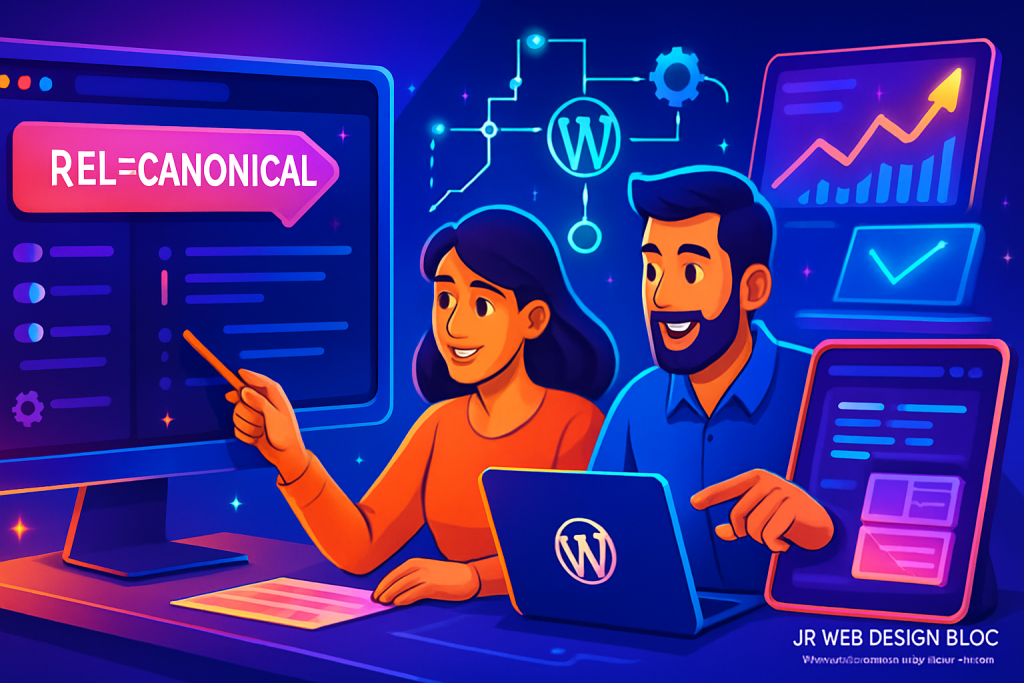
Advanced Canonical Tag Strategy For Large Websites
Discover effective ways to implement canonical tags for your large WordPress website to boost SEO performance and streamline management.
Understanding Canonical Tags
In the world of SEO, canonical tags are essential for large websites. They help search engines understand which version of a page should be indexed, preventing duplicate content issues. For beginners and small business owners, grappling with this concept can feel overwhelming, but understanding it can significantly enhance your website’s performance. Canonical tags serve as a bridge between your content and search engines, clearly indicating the preferred version of a webpage.
Why Use Canonical Tags?
Canonical tags are your way of telling search engines, “Hey, this is the original version of the page.” Here’s why they matter:
- They prevent duplicate content penalties.
- They help consolidate the ranking signals for similar pages.
- They improve crawl efficiency for large websites.
Implementation of Canonical Tags in WordPress
Implementing canonical tags in WordPress can be straightforward, especially with the right plugins. Here’s a step-by-step approach:
Choose the Right Plugin
Several plugins can automatically add canonical tags to your pages. Popular choices include:
- Yoast SEO
- All in One SEO Pack
- Rank Math
Select one that suits your needs. Yoast SEO, for example, is user-friendly and widely used, making it a great choice for beginners. Each plugin has its unique features, so take time to explore their options to find the best fit for your website.
Configure the Plugin
Once you’ve installed your chosen plugin, navigate to the settings and enable canonical tags. Most plugins will automatically generate canonical tags based on the URL of the page. It’s advisable to review these settings carefully to ensure they align with your site’s structure and SEO objectives.
Manually Add Canonical Tags
For custom needs, you might want to add canonical tags manually. You can do this by editing the header.php file of your theme or using a specific plugin designed for this purpose. Always back up your site before making manual changes to avoid any unintended consequences.
Advanced Strategies for Managing Canonical Tags
If you’re running a large website, a simple implementation might not be enough. Here are some advanced strategies:
1. Consistent URL Structure
Make sure your URL structure is consistent across your website. This helps in maintaining effective canonical tagging. A well-structured URL not only aids users but also assists search engines in indexing your content correctly.
2. Use a Sitemap
Implement a sitemap that clearly lists all pages, including canonical URLs. Plugins like Google XML Sitemaps can assist with this. A comprehensive sitemap ensures that search engines can discover all your pages, enhancing your site’s visibility.
3. Regular Audits
Conduct regular audits of your website to check for any duplicate content issues and ensure your canonical tags are functioning correctly. Use tools like Screaming Frog or SEMrush to analyze your site’s structure and identify potential issues.
The Role of Performance in Canonical Tag Strategy
A well-optimised website not only improves user experience but also enhances SEO. Here are some performance aspects to consider:
- Minimise HTTP requests by combining CSS and JavaScript files.
- Use caching plugins like W3 Total Cache to improve load times.
- Optimise images to ensure they do not slow down your site.
When your website performs well, search engines can crawl it more efficiently, which ultimately helps with your canonical tag strategy. Remember, faster sites are not only preferred by users but are also favored by search engines, impacting your overall rankings.
Modern WordPress Design Angle
In today’s digital landscape, the aesthetics of your website matter just as much as its functionality. Modern WordPress design should focus on:
- Responsive design for mobile users.
- Clean layouts that enhance readability.
- Fast loading times to keep users engaged.
When implementing canonical tags, make sure they align with your design choices. For instance, if you’re using a custom theme, ensure that the headers and footers are designed to accommodate canonical links without compromising the overall aesthetic. A seamless integration of design and SEO practices will lead to a more effective website.
Common Mistakes to Avoid
Even experienced webmasters make mistakes when it comes to canonical tags. Here are some common pitfalls:
- Forgetting to add canonical tags on all relevant pages.
- Using multiple canonical tags on a single page.
- Pointing canonical tags to pages with no content.
By being aware of these mistakes, you can make sure your strategy is solid and effective. It’s also wise to have a checklist to ensure that each new page or post adheres to your canonical tagging strategy.
Conclusion
An advanced canonical tag strategy is crucial for large websites. By understanding the importance of canonical tags and implementing them correctly, you can improve your site’s SEO performance and user experience. With the right plugins and strategies, you can streamline your processes and focus on what really matters—growing your business. Remember, SEO is an ongoing effort, and keeping your canonical strategy up-to-date is key to long-term success.
Additional Resources for Canonical Tag Strategy
To further enhance your understanding and implementation of canonical tags, consider leveraging these resources:
- Google Search Central’s guidelines on canonical tags.
- SEO blogs that specialize in WordPress, such as WPBeginner and Yoast.
- Online forums or communities where WordPress users share insights and troubleshooting tips.
These resources can provide ongoing support as you refine your strategy, helping you stay updated with the latest trends and best practices in the ever-evolving landscape of SEO.
Future Trends in Canonical Tagging
As SEO continues to evolve, staying ahead of trends is crucial. Anticipate shifts in how search engines interpret canonical tags, especially with advancements in machine learning and AI. Embrace tools that adapt to these changes, ensuring your website remains competitive in search rankings.
Moreover, keep an eye on how user experience influences SEO. Search engines are increasingly prioritizing user-centric metrics, which means your canonical tag strategy should also consider user navigation paths and content relevance. This holistic approach will not only enhance your SEO but also provide a better experience for your visitors.
Related posts
- Ecommerce Product Page Design for Higher Average Order Value: Essential Tips for WordPress Success
- API Integration Patterns For Modern Business Websites: Enhance Your WordPress Site with Practical Solutions
- Creating Accessible Website Forms With Strong UX: A Practical Guide for Beginners and Small Businesses