WordPress Article
Payment Gateway Integration Considerations For Websites: A Beginner’s Guide for Small Businesses and Tradies
Learn payment gateway integration considerations for websites with practical advice on implementation, performance, security, SEO, and scalable website workflows for better results.
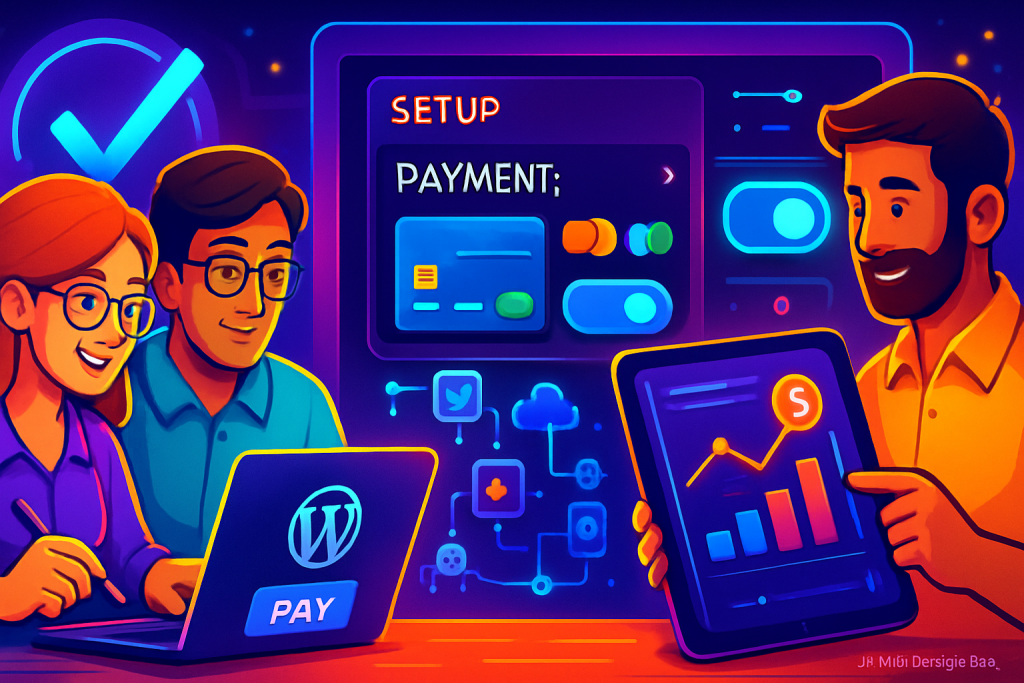
Essential Insights into Payment Gateway Integration for Your Website
Introduction
As a small business owner or a tradie looking to expand your online presence, integrating a payment gateway into your website is crucial. This process not only facilitates smooth transactions but also enhances customer experience. However, there are several considerations you should keep in mind while choosing a payment gateway for your WordPress site.
Understanding Payment Gateways
A payment gateway acts as a bridge between your customer and your bank. It encrypts sensitive information like credit card details, ensuring secure transactions. WordPress offers various plugins that can simplify this integration, making it vital to choose the right one for your needs. Some gateways also offer additional features, such as invoicing or recurring billing, which can be beneficial depending on your business model.
Choosing the Right Payment Gateway
There are numerous options available, and each comes with its own pros and cons. Here are some popular choices:
- PayPal: Widely used with good security.
- Stripe: Offers flexible API for custom solutions.
- Square: Ideal for small businesses with physical locations.
- WooCommerce Payments: Seamless integration with WooCommerce.
Consider the transaction fees, ease of use, and customer support when making your choice. Additionally, think about the scalability of the payment gateway as your business grows. You want a solution that can accommodate increased transaction volumes without compromising on performance. Research user reviews and case studies to gauge how well a gateway performs for businesses similar to yours.
Performance Considerations
Website performance is crucial for retaining customers. A slow-loading payment gateway can lead to cart abandonment. Ensure the payment plugin you choose is lightweight and does not negatively impact your site’s speed. Regularly test your website’s performance using tools like Google PageSpeed Insights. It’s also wise to optimize images and scripts to improve load times further. If your site experiences high traffic, consider a Content Delivery Network (CDN) to enhance loading speeds globally.
Security is Key
The security of online transactions cannot be overstated. Make sure the payment gateway you choose complies with PCI DSS (Payment Card Industry Data Security Standard). Additionally, consider using SSL certificates to encrypt data on your site. Regularly updating your plugins and WordPress core is essential to protect against vulnerabilities. Implementing two-factor authentication for admin accounts can add another layer of security.
Furthermore, educate your customers about online security. Providing information about how you protect their data can build trust and encourage more transactions. Consider adding a FAQ section addressing common concerns about payment security to reassure potential customers.
Implementation Steps
Once you’ve chosen your payment gateway, implementation is the next step. Here’s a simple guide to get you started:
- Install the necessary plugin (e.g., WooCommerce for WooCommerce Payments).
- Set up your account with the payment gateway.
- Configure your plugin settings, including currency and payment methods.
- Run test transactions to ensure everything works smoothly.
- Go live and start accepting payments!
Make sure to also integrate the payment gateway with your existing inventory management system if applicable. This will help streamline operations and keep your records accurate. Creating a detailed user guide for your staff on how to handle transactions can also be beneficial.
Modern WordPress Design Angle
Integrating a payment gateway should align with modern web design principles. Your website should be user-friendly, visually appealing, and responsive across devices. Use a clean layout with clear calls-to-action (CTAs) that guide users effortlessly to the payment section.
Ensure that your payment process is quick and intuitive. Minimising the number of steps to complete a transaction can reduce cart abandonment. Additionally, consider using features like one-click checkout to enhance user experience. Incorporating modern design elements such as micro-interactions can also make the payment process feel more engaging. A/B testing different designs can help identify what resonates best with your audience.
SEO Considerations
While payment gateways might seem distant from SEO, having a well-optimised payment process can impact your search rankings. A user-friendly and fast checkout can lead to higher conversion rates, which can improve your site’s SEO. Pay attention to the loading speed of your payment pages, as slow pages can lead to high bounce rates.
Make sure your payment gateway and associated pages are mobile-optimised, as mobile searches continue to increase. This not only boosts user satisfaction but also positively influences your SEO efforts. Additionally, consider using schema markup to enhance your site’s visibility in search results. Regularly review your site’s analytics to identify areas for improvement.
Maintenance and Updates
Once your payment gateway is set up, ongoing maintenance is crucial. Regularly update your plugins and WordPress site to ensure compatibility and security. Monitor transaction rates and customer feedback to identify any potential issues early. Stay informed about updates from your payment gateway provider, as they may introduce new features or security measures.
Consider having a backup plan in place. Regularly back up your website to ensure that you can restore it easily in case of any issues. Implementing a staging environment for updates can also help minimize disruptions to your live site. Additionally, conduct periodic audits of your payment processes to ensure everything is functioning correctly.
Conclusion
Integrating a payment gateway into your WordPress website is a significant step towards enhancing your online business. By considering factors like performance, security, and modern design principles, you can create a seamless transaction experience for your customers. Remember, the right choice in payment gateways can make all the difference in growing your business online. Stay informed about new trends and technologies in payment processing to continually improve your service. Regularly review your payment processes and customer feedback to keep your offerings aligned with market demands.
Related posts
- High-Performance Animation Techniques In Web Design: Boost UX and Conversions with Practical Tips
- Planning Website Disaster Recovery and Rollback: Essential WordPress Strategies for Smooth Operations
- Designing Website Search Results Pages for Usability: A Practical Guide for WordPress Users and Small Businesses