WordPress Article
Web Application Firewall Setup For Business Websites | Enhance Security and Performance with WordPress Plugins
Learn web application firewall setup for business websites with practical advice on implementation, performance, security, SEO, and scalable website workflows for better results.
Web Application Firewall Setup For Business Websites
Secure your online presence with an effective web application firewall (WAF) setup.
Understanding the Importance of a Web Application Firewall
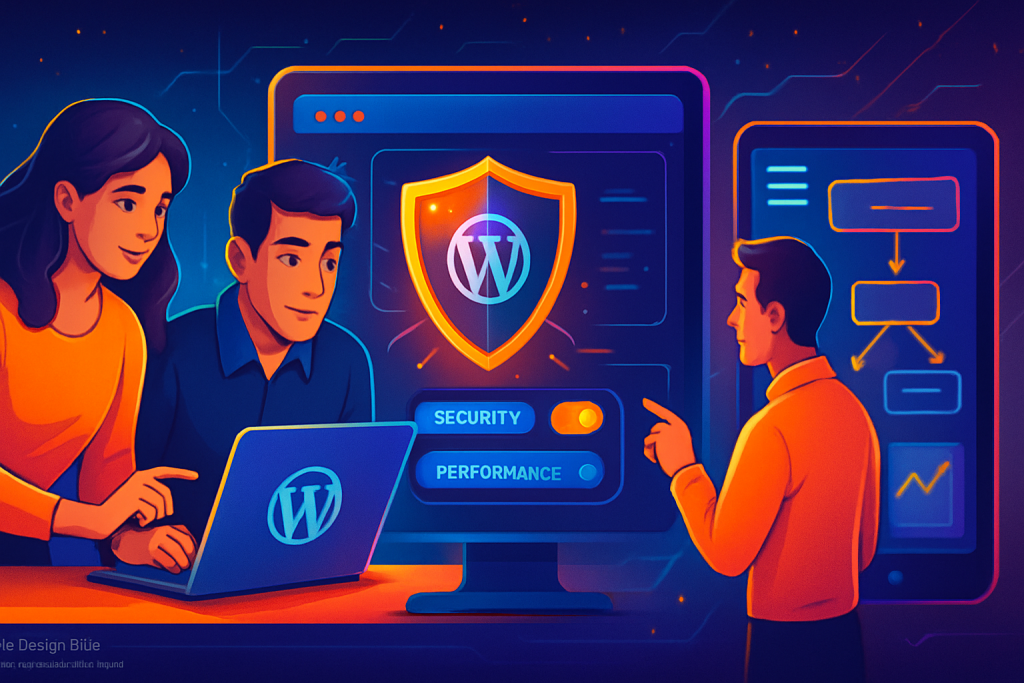
A Web Application Firewall (WAF) serves as a shield that protects your business website from various online threats. These threats can include malware, hacking attempts, and data breaches. For small business owners, ensuring the safety of your website is not just a technical necessity, it’s crucial for maintaining your reputation and customer trust.
As a beginner or a tradie, you may not be familiar with how a WAF works, but think of it as a security guard that filters out malicious traffic before it reaches your website. This is particularly important if you run an e-commerce store or handle sensitive customer data. Additionally, a WAF can help in compliance with various regulations, such as GDPR and PCI DSS, ensuring that customer data is handled securely.
Choosing the Right Web Application Firewall Plugin
When setting up a WAF for your WordPress website, selecting the right plugin is key. Here are a few popular options:
- Wordfence Security: Offers a comprehensive firewall and malware scanner.
- Sucuri Security: Provides robust protection against various online threats.
- iThemes Security: Focuses on hardening your website’s security.
- Cloudflare: Serves as a CDN while also providing WAF features.
These plugins often come with user-friendly interfaces, making them perfect for beginners. Ensure you pick one that fits your specific needs. It’s also advisable to read reviews and check for compatibility with other plugins you may be using.
Setting Up Your WAF: Step-by-Step Guide
Now that you’ve chosen your WAF plugin, it’s time to set it up. Here’s a step-by-step guide:
- Install the Plugin: Go to your WordPress dashboard, navigate to the plugins section, and install your chosen WAF plugin.
- Activate the Plugin: Don’t forget to activate it after installation.
- Configure Settings: Most plugins will have a setup wizard. Follow the prompts to configure basic settings.
- Enable Firewall Protection: Make sure the firewall is activated in the plugin settings.
- Regularly Update: Keep your WAF plugin updated for optimal protection.
Following these steps can greatly enhance your website’s security posture. Additionally, familiarize yourself with the dashboard of your WAF plugin to make the most of its features. Many plugins offer advanced options for experienced users, allowing for greater customization of security settings.
Performance Considerations
While security is crucial, it should not come at the expense of performance. A poorly configured WAF can slow down your website, affecting user experience and SEO. Here are some considerations:
- Choose a lightweight plugin that doesn’t overburden server resources.
- Regularly test your site’s speed before and after WAF setup.
- Configure caching options if your WAF plugin offers them.
Additionally, consider using a Content Delivery Network (CDN) to distribute load and improve response times. CDNs can also provide an extra layer of security. Monitoring your website’s performance using tools like Google PageSpeed Insights can help pinpoint issues and optimize loading times.
Maintaining Your Web Application Firewall
Setting up your WAF is just the beginning. Ongoing maintenance is crucial to keep your website secure. Here are a few maintenance tips:
- Regularly check for and install updates for your WAF plugin.
- Review the security logs to identify any suspicious activity.
- Adjust firewall settings based on the evolving nature of threats.
Furthermore, consider running periodic security audits. These audits can help you identify vulnerabilities and ensure that your WAF is functioning optimally. Regular assessments can provide insights into how well your security measures are performing. Partnering with a cybersecurity expert for comprehensive assessments can also be beneficial.
Modern WordPress Design Angle
As you work on your web application firewall setup, it’s also important to consider how modern web design plays a role in your overall website security. A well-designed website not only enhances user experience but also allows for better integration with security measures.
Responsive design can help maintain security across devices. Ensuring that your website is mobile-friendly can reduce attack vectors. Additionally, using a minimalistic design can limit clutter, making it easier for your WAF to identify and neutralise threats. Opt for themes that are regularly updated and offer security features as part of their core functionality.
Consider leveraging themes that are optimised for speed and security, as these can help in smooth WAF operation. Remember, a secure website is an attractive website. Moreover, utilizing page builders that support built-in security features can streamline the design process while ensuring safety. Incorporating elements like HTTPS and secure forms can further enhance both design and security.
Final Thoughts
Setting up a web application firewall for your business website is a vital step in protecting your online presence. With the right plugin and a proactive approach to maintenance, you can significantly reduce the risk of cyber threats. Keep performance in check, choose a plugin that fits your needs, and don’t forget to integrate modern design principles. A secure and attractive website can help you build trust and retain customers.
Take action now and fortify your website’s security! Investing time in these measures not only protects your site but also enhances your brand’s credibility in the digital landscape. Remember, security is an ongoing journey, and staying informed about the latest threats and solutions will keep your business ahead of the curve.