WordPress Article
Broken Link Management At Scale For Growing Websites | Effective WordPress Strategies for Success
Learn broken link management at scale for growing websites with practical advice on implementation, performance, security, SEO, and scalable website workflows for better results.
Understanding the Importance of Broken Link Management
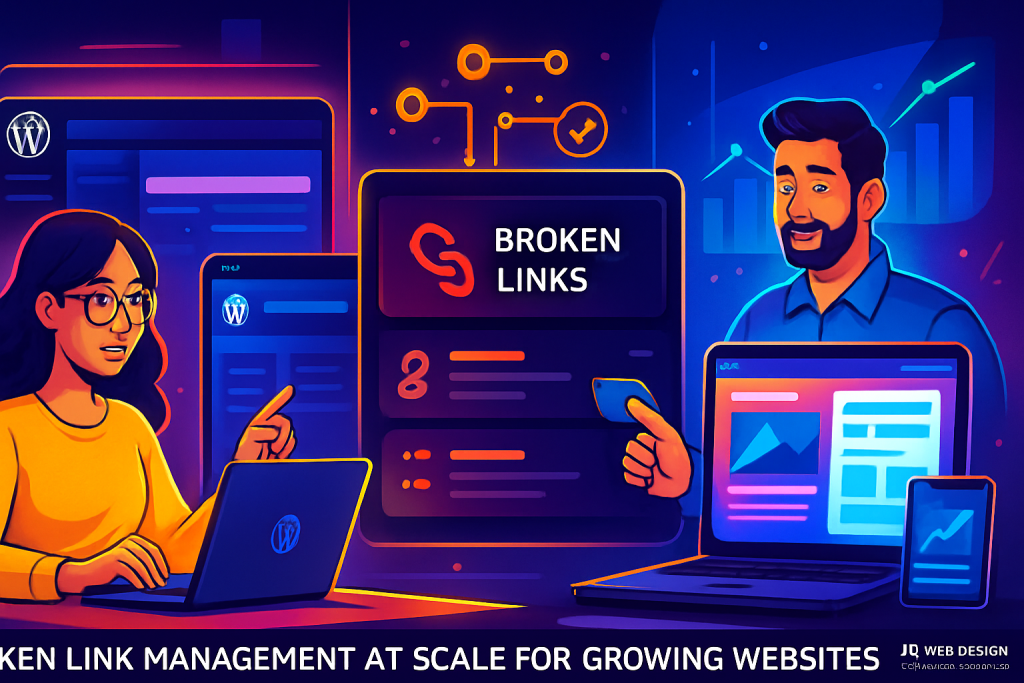
Managing a growing website involves many moving parts. One crucial aspect that often gets overlooked is broken link management. As your website expands, ensuring all links are functional becomes increasingly essential for user experience, SEO, and overall site integrity. This article will guide you through effective strategies for managing broken links at scale, especially if you’re using WordPress.
What Are Broken Links?
A broken link, often referred to as a dead link, is a hyperlink that no longer points to its intended destination. This could be due to a deleted page, a changed URL, or a server issue. Broken links can lead to a poor user experience, increased bounce rates, and negative impacts on your search engine rankings. Not only do they frustrate users, but they can also harm your site’s credibility. Furthermore, search engines may interpret a high number of broken links as a sign of neglect, which can affect your overall ranking in search results.
Why Manage Broken Links?
Managing broken links is vital for several reasons:
- User Experience: Users expect websites to work smoothly. Broken links frustrate visitors and can lead to lost sales.
- SEO Benefits: Search engines like Google prefer websites that are well-maintained. A site with many broken links may be penalised in search rankings.
- Brand Reputation: A well-maintained site reflects professionalism. Broken links can tarnish your brand’s image.
- Site Traffic: Broken links can lead to decreased traffic as users abandon sites with poor navigation.
How to Find Broken Links
There are several ways to identify broken links on your website:
- Manual Checking: This method is time-consuming but reliable. Simply click through your site to find any broken links.
- Online Tools: Tools like Broken Link Checker and Google Search Console can help you identify broken links quickly.
- WordPress Plugins: Several plugins automate this process, making it easier for you to manage links at scale.
- Browser Extensions: Extensions like Check My Links can be added to your browser to quickly scan for broken links on any page.
Choosing the Right WordPress Plugins
When it comes to broken link management, choosing the right plugins is crucial. Here are a few recommendations:
- Broken Link Checker: This plugin runs in the background and notifies you of any broken links, allowing for quick fixes.
- Redirection: This plugin helps in managing 301 redirects, which is essential for preserving SEO value when updating URLs.
- WP Link Status: This plugin monitors links and provides reports on your website’s link health.
- LinkChecker: A robust tool that scans your entire site for broken links and provides comprehensive reports.
Setting Up Broken Link Management
Once you’ve chosen your plugins, setting them up is straightforward. Here’s how:
- Install and activate the chosen plugin from the WordPress dashboard.
- Configure the settings according to your preferences, such as how often you want the plugin to check for broken links.
- Regularly check the reports provided by the plugin and address any issues promptly.
- Consider setting up email notifications for immediate alerts on broken links.
Performance Considerations
While plugins can be beneficial, performance should never be compromised. Here are some tips to ensure optimal performance:
- Limit Plugin Usage: Only use the necessary plugins for broken link management to avoid slowing your website down.
- Regular Updates: Keep your plugins updated to benefit from performance improvements and security fixes.
- Monitor Site Speed: Use tools like GTmetrix or Google PageSpeed Insights to keep an eye on your website’s performance.
- Optimize Database: Regularly clean up your database to ensure it runs efficiently alongside your plugins.
Security Considerations
Security is paramount in managing a website. Here’s how to ensure your broken link management processes are secure:
- Choose Reputable Plugins: Always download plugins from trusted sources to avoid malware.
- Regular Backups: Ensure you backup your website regularly, especially before making significant changes.
- Limit User Access: Only give access to users who need it, reducing the risk of security breaches.
- Use Security Plugins: Consider using security plugins to safeguard your site from vulnerabilities.
Modern WordPress Design Angle
In today’s online landscape, aesthetics and functionality go hand in hand. Modern WordPress design plays a crucial role in broken link management. Here’s how:
- Responsive Design: Ensures users can navigate your site easily on any device, reducing the likelihood of encountering broken links.
- Clear Navigation: A well-structured menu helps users find what they need quickly, decreasing the chance of confusing links.
- Regular Content Updates: Keeping your content fresh and relevant helps you avoid broken links due to outdated resources.
- Visual Hierarchy: Good design leads users through your content intuitively, helping them avoid dead ends.
By focusing on modern design principles, you can enhance user experience and streamline your broken link management efforts.
Maintenance and Regular Checks
Managing broken links is not a one-time task. Regular maintenance is key to an effective strategy. Here’s how:
- Schedule Regular Checks: Set a weekly or monthly schedule to run broken link checks.
- Review User Feedback: Encourage visitors to report any broken links they encounter.
- Utilise Analytics: Use tools like Google Analytics to monitor user behaviour and identify potential broken links.
- Document Changes: Keep a log of changes made to URLs to track potential issues.
The Role of Content Management in Link Maintenance
Content management is a crucial component of broken link management. As your website grows, so does the volume of content. Here are ways to integrate content management with link maintenance:
- Content Audits: Regularly review your content to ensure that all links are up-to-date and relevant.
- Archiving Old Content: Instead of deleting outdated posts, consider archiving them to preserve link integrity.
- Internal Linking Strategy: Implement a strategy for internal links to guide users through related content effectively.
- Updating Outbound Links: Regularly check and update any outbound links to ensure they lead to valid resources.
Utilizing Analytics for Better Link Management
Analytics can provide valuable insights into how users interact with your links. Here’s how to leverage analytics for better broken link management:
- Track Click-Through Rates: Monitor which links are most frequently clicked and ensure they remain functional.
- Identify High Bounce Rates: Analyze pages with high bounce rates to determine if broken links are a contributing factor.
- Visitor Feedback: Use feedback tools to gather user reports on broken links and address them promptly.
- Conversion Tracking: Measure how broken links impact your conversion rates, making adjustments as necessary.
Conclusion
Effective broken link management is essential for any growing website, particularly for those using WordPress. By utilising the right plugins, focusing on performance and security, and maintaining regular checks, you can ensure your website remains functional and user-friendly. As your website scales, prioritising broken link management will help you sustain your online presence and enhance your brand reputation. In a digital landscape where user experience is paramount, addressing broken links can set your site apart from competitors. Remember, a proactive approach to broken link management not only helps in maintaining your site’s integrity but also contributes to a more positive experience for your users, driving engagement and loyalty.